


.png)
How Often Should Vinyl Siding Be Cleaned in New Jersey?
How Often Should Vinyl Siding Be Cleaned in New Jersey? Expert Guidance from Burrini's Power Washing
By Andreyan Solanoy, Burrini’s Power Washing
Maintaining the appearance and integrity of vinyl siding is essential for homeowners in New Jersey. This guide explores the frequency and best practices for cleaning vinyl siding to prevent problems such as mold growth, discoloration, and overall deterioration. Understanding how often to clean vinyl siding will help you protect your investment and maintain the aesthetic value of your home.
Regular cleaning not only improves visual appeal but also extends the life of the siding, preventing costly repairs. Throughout this article, we will discuss expert recommendations, factors affecting cleaning frequency, and effective maintenance strategies. We will also touch on key signs that indicate it's time for cleaning and provide practical tips for ensuring optimal cleanliness year-round.
Expert Recommendations:
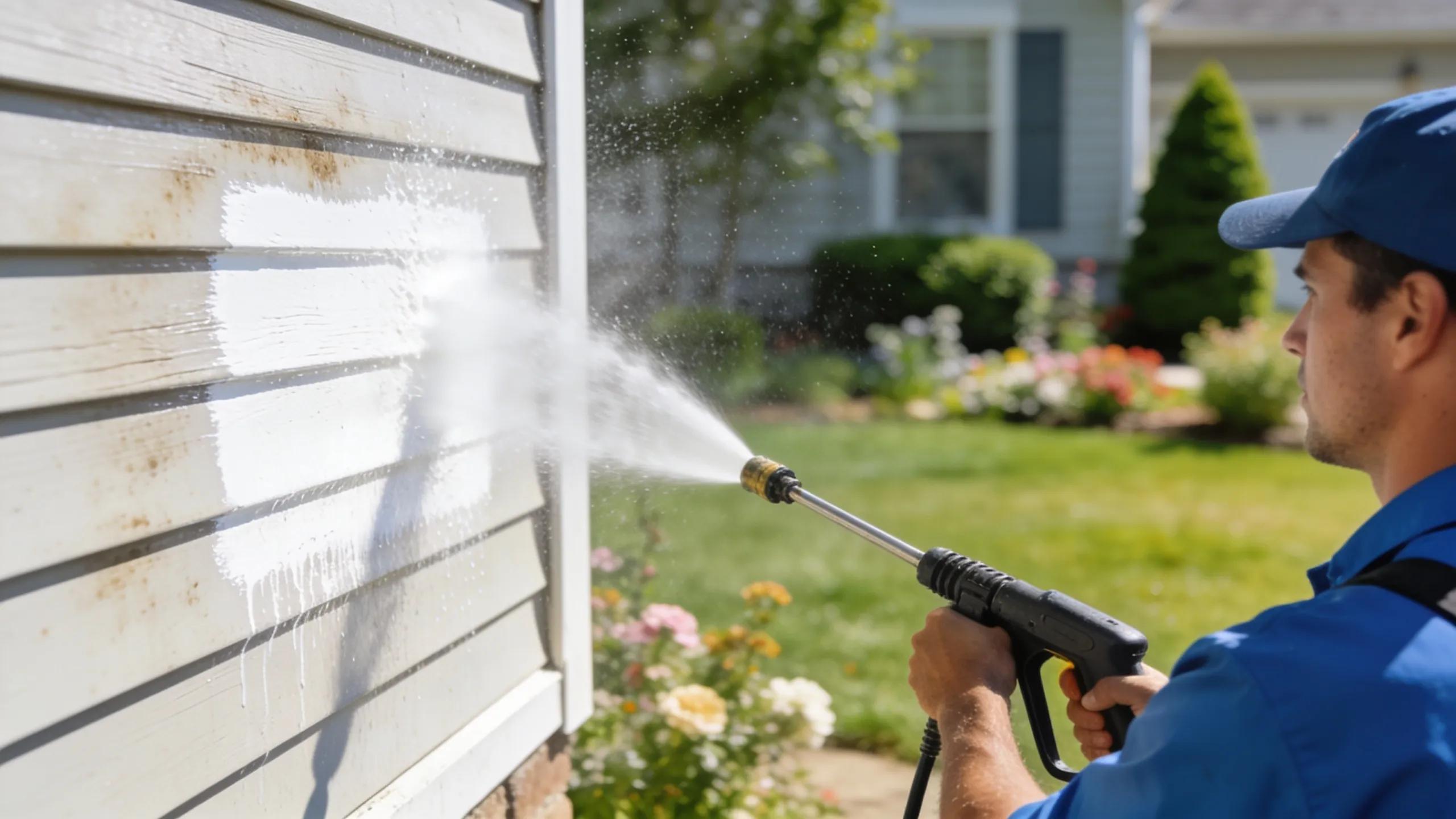
Cleaning vinyl siding at least once a year is generally recommended for homeowners in New Jersey. However, certain conditions such as proximity to trees, local weather patterns, and the presence of moisture can necessitate more frequent cleaning. Hiring professional services, like Burrini's Power Washing, is advisable for those who prefer a thorough and safe cleaning approach. For a detailed look at professional services, consider exploring Burrini's house washing services.
Annual Cleaning: Recommended for most homes to prevent buildup.
Biannual Cleaning: Suggested for homes near heavy vegetation or in high humidity areas.
Professional Advice: Consult with experts to tailor a schedule specific to your home’s needs.
Factors Influencing Cleaning Frequency:
Understanding what factors influence how often vinyl siding should be cleaned can help you create a tailored maintenance schedule.
Location:
Geographic location plays a significant role in cleaning frequency. Areas with high humidity or proximity to bodies of water often experience issues with mold and mildew, necessitating more frequent cleanings. Homes situated near trees may also accumulate organic debris, which retains moisture and contributes to mold growth.
Weather Conditions:
Seasonal weather patterns also affect the need for cleaning. High pollen counts in spring can lead to accumulation on siding. In summer, increased humidity can result in mold growth, while winter freezing conditions might cause dirt and grime to adhere more firmly. It’s important to consider these seasonal conditions when planning your cleaning schedule.
Surrounding Vegetation:
Homes surrounded by dense vegetation may require more frequent cleaning due to organic materials like leaves and tree sap. This debris can create a moist environment conducive to mold and algae growth. Regular maintenance is crucial for homes where vegetation creates shade, keeping the siding dryer and cleaner.
Best Practices for Maintenance:
To maintain clean vinyl siding between professional washings, homeowners can adopt a series of best practices.
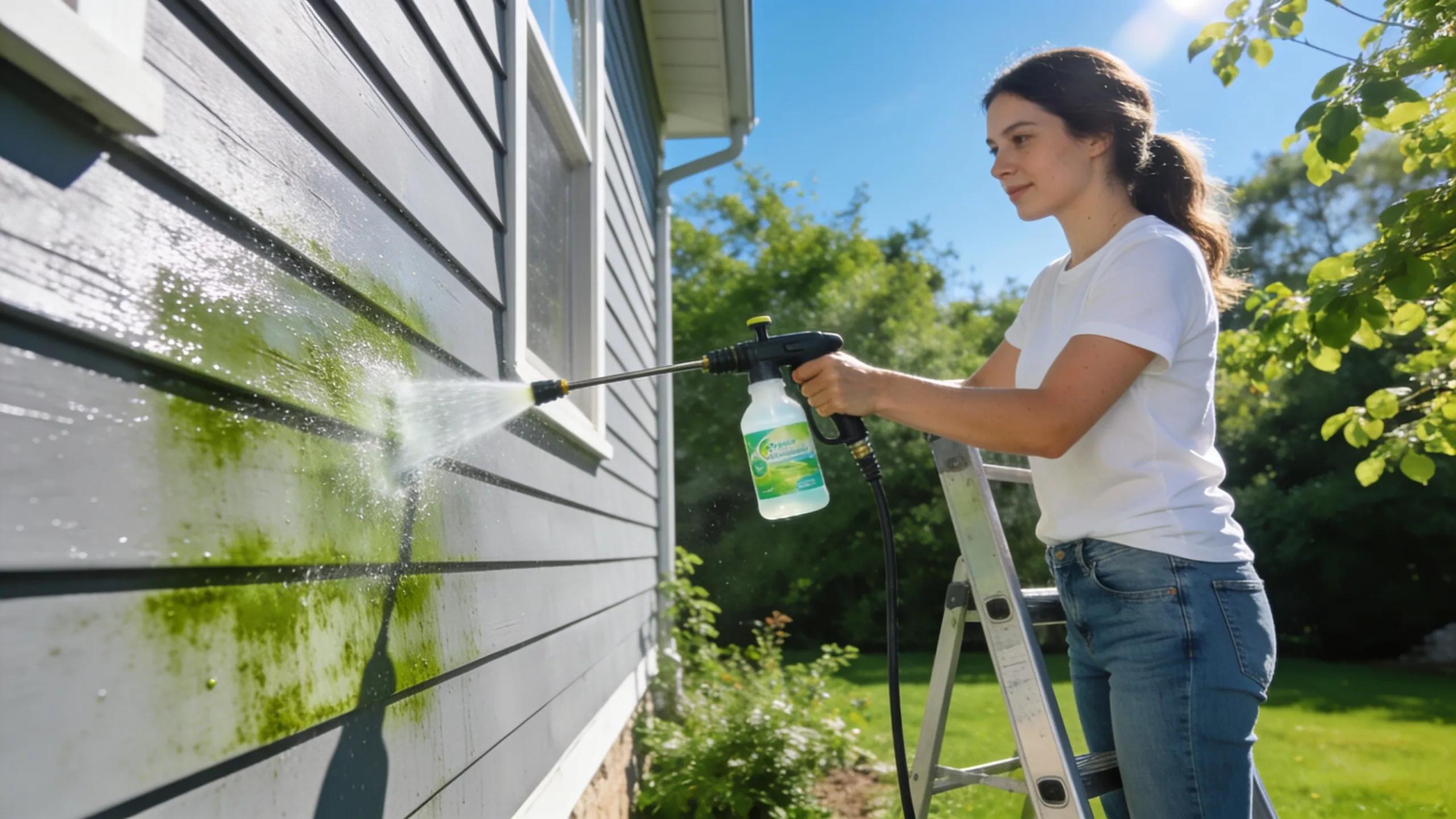
Low Pressure Washing: Utilize low-pressure washing techniques to prevent damage to siding.
Eco-Friendly Cleaners: Use environmentally safe detergents to minimize chemical use.
Regular Inspections: Checking for early signs of mold or mildew can prevent more extensive cleaning efforts later.
Implementing these measures can help extend the cleanliness of your siding while protecting it from damage and growth.
What New Jersey Climate Factors Affect Vinyl Siding Cleaning Frequency?
New Jersey’s climate presents unique challenges for vinyl siding maintenance. Factors such as humidity levels, temperature fluctuations, and seasonal weather patterns all impact how rapidly siding accumulates dirt and organic matter. Understanding these climate elements is crucial for establishing an effective cleaning schedule that caters to your location.
Climate Factor | Description | Impact Level |
Humidity | High humidity can promote mold growth on siding. | High |
Temperature | Fluctuating temperatures can lead to dirt buildup. | Medium |
Environmental Residue | Pollutants and organic debris affect cleanliness. | High |
This table illustrates how different climate factors can significantly influence the maintenance frequency needed for vinyl siding in New Jersey.
How Do Humidity and Pollen Impact Siding Maintenance in Morris County?
Morris County experiences fluctuating humidity levels and seasonal pollen accumulation that can affect vinyl siding upkeep. Elevated humidity fosters mold and mildew growth, while pollen during spring months can coat surfaces and contribute to discoloration. Therefore, homeowners should be vigilant during these seasons and consider adjusting cleaning schedules to accommodate these conditions.
Why Is Mold Growth More Common on Shaded or Moist Siding Surfaces?
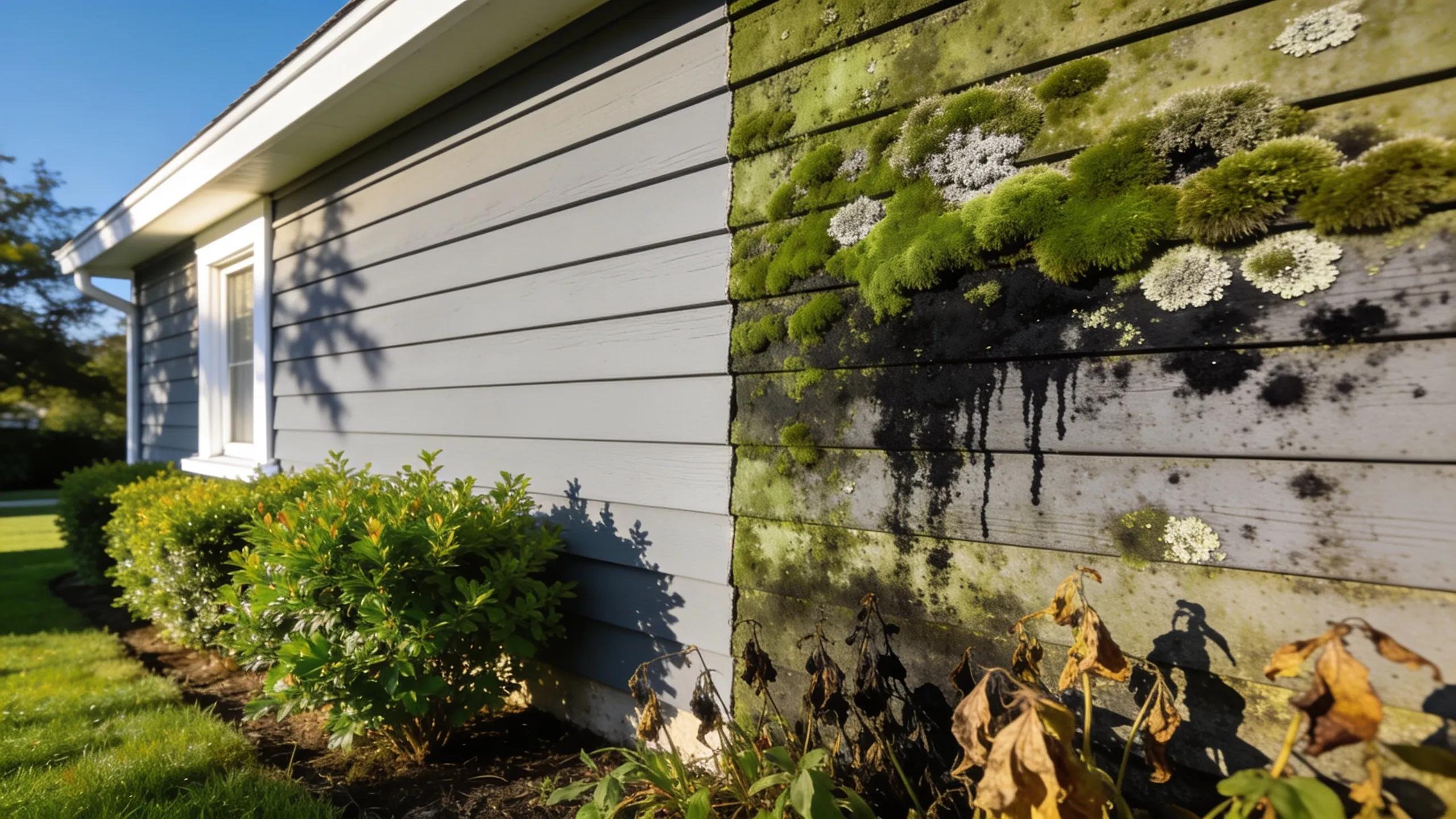
Mold flourishes in moist areas, making shaded or damp siding particularly vulnerable. Such environments often remain wet longer due to lack of sunlight, inviting mold and mildew to take hold. Regular cleaning and inspections can help combat these growths, which if left untreated, may damage the siding and diminish your home’s value.
What Is the Recommended Vinyl Siding Cleaning Schedule for New Jersey Homes?
For New Jersey homes, a recommended cleaning schedule would ideally consider location and environmental factors.
Annually: For homes with moderate exposure and no significant shade.
Biannually: For homes near vegetation or in areas with high humidity.
As needed: If visible signs of buildup occur, immediate cleaning is essential.
By following this schedule, homeowners can ensure their siding remains clean and well-maintained.
How Often Should Homeowners Clean Vinyl Siding to Prevent Mold and Mildew?
To keep mold and mildew at bay, homeowners should perform routine cleans. It is particularly important to look out for:
Mold Growth: Check for visible mold patches regularly.
Discoloration: Look out for any fading or unusual stains.
Debris Accumulation: Remove leaves and dirt promptly to prevent moisture retention.
Regularly inspecting these factors will aid homeowners in determining when additional cleaning is necessary.
When Should Property Managers Adjust Cleaning Frequency Based on Exposure?
Property managers should be vigilant about adjusting cleaning schedules based on exposure to environmental elements. For example, buildings that receive less sunlight may require more frequent cleaning due to increased mold risk. Regular inspections are essential for identifying when adjustments to scheduled maintenance are necessary.
What Are the Key Signs That Vinyl Siding Needs Cleaning Earlier Than Scheduled?
Homeowners should be proactive about cleaning when they notice:
Visible Mold or Mildew: Spots indicating growth should be addressed quickly.
Dirt Buildup: Excessive dirt can lead to staining and longer-term issues.
Increased Insect Activity: Pests may be drawn to debris on siding.
Being attentive to these signs can help maintain the integrity and appearance of your home’s siding.
How to Identify Mold, Mildew, and Discoloration on Vinyl Siding?
Identifying cleanliness issues early is crucial for maintaining your home's appearance. Homeowners should be aware of:
Signs of Mold: A musty smell or visible dark spots.
Mildew Indicators: White or gray powdery patches on the surface.
Discoloration: Any fading in color or inconsistent shading indicating deeper issues.
Promptly addressing these signs will mitigate serious damage and repair costs.
Why Acting Quickly on Early Warning Signs Protects Your Property Value
Timely intervention in addressing cleanliness issues can preserve property value. Neglecting early signs of mold or discoloration can lead to larger repair bills and severely diminish your home’s appeal. Homeowners are advised to keep a close eye on their siding—early action means greater protection for your investment.
How Do Sun and Shade Exposure Influence Your NJ Siding Maintenance Plan?
The exposure of your siding to sun versus shade significantly impacts maintenance procedures.
Sunlit Areas: Siding in direct sunlight may dry more quickly but can also discolor over time.
Shaded Areas: Prone to mold growth due to retained moisture.
Maintenance Frequency: Homes in shaded conditions might require more frequent cleaning than those that receive full sun exposure.
Understanding these dynamics aids in the development of a cleaning routine.
What Differences Exist Between Sun-Exposed and Shaded Vinyl Siding Care?
The care for vinyl siding varies greatly depending on its exposure to sunlight.
Sun-Exposed Care: Focus on UV protection and stain prevention.
Shaded Care: Prioritize moisture control to combat mold and mildew issues.
Differentiating between these two care approaches ensures effective maintenance, tailored to the needs of the siding based on environmental exposure.
What Local Tips Does Burrini's Offer for Managing NJ Microclimates on Siding?
Burrini's Power Washing recommends certain local strategies for managing unique New Jersey microclimates affecting siding:
Routine Cleaning: Suggested every season, particularly post-storms that deposit debris.
Moisture Control: Installing gutter systems to prevent moisture retention against siding.
Vegetative Management: Trimming back trees and shrubs to reduce debris and increase airflow.
Implementing these local tips can improve overall siding maintenance and longevity.
What Maintenance Tips Can Extend Vinyl Siding Cleanliness Between Professional Washings?
In addition to professional services, homeowners can extend cleanliness through simple initiatives:
Regular Inspections: Check for debris buildup every season.
Prompt Removal of Organic Matter: Clear away leaves and dirt as they appear.
Utilize Protective Coatings: Applying protective sealants can help minimize staining.
Inserting these actions into routine maintenance can result in notably cleaner siding between professional washings.
Which Simple Home Actions Reduce Mold and Pollen Build-Up All Year Round?
Homeowners can take several straightforward actions to minimize buildup throughout the year:
Regularly Trim Vegetation: Keep shrubbery and trees well-managed to limit debris.
Clean Gutters: Ensure gutters are clean to prevent overflow and moisture.
Gentle Siding Washing: Employ gentle cleaning methods seasonally to remove dirt and pollen.
These actions can significantly reduce the need for frequent professional cleanings.
How Does Seasonal NJ Weather Affect Siding and What Preventative Steps Help?
New Jersey's diverse seasonal weather impacts vinyl siding cleaning needs:
Spring: Pollen accumulation may necessitate early cleaning.
Summer: High humidity increases mold risk.
Winter: Snow and ice can cause dirt to adhere more firmly.
Implementing a preventative strategy based on these seasonal impacts will help maintain siding integrity and cleanliness.
How to Book Reliable Vinyl Siding Cleaning Services in Morris County, NJ?
When booking cleaning services, homeowners should consider the following criteria:
References and Reviews: Look for service providers with positive customer feedback.
Experience with Vinyl Siding: Ensure the company specializes in the type of siding being serviced.
Quotes and Estimates: Request detailed quotes to establish clear pricing and service expectations.
Taking these considerations into account can significantly enhance the service experience.
Why Choose Burrini's Power Washing for Your Professional Siding Cleaning?
Burrini's Power Washing stands out as an expert in local cleaning services, offering tailored solutions for New Jersey homeowners. Their understanding of regional challenges, coupled with a commitment to using eco-friendly practices, ensures customer satisfaction with every cleaning. For those serious about maintaining their siding's appearance and longevity, Burrini's provides exceptional quality and reliability.
What Should Homeowners Expect During a Professional Vinyl Siding Cleaning Visit?
Homeowners preparing for a professional visit should anticipate the following steps:
Pre-Clean Inspection: Initial assessment of the siding's condition.
Cleaning Process: Use of appropriate methods to ensure cleanliness without damage.
Post-Clean Follow-Up: An inspection to ensure all areas are satisfactorily cleaned.
Understanding these steps can help set expectations and facilitate smooth service delivery.
Comments