.png)


Is Moss on a Roof Bad? What Homeowners Should Know
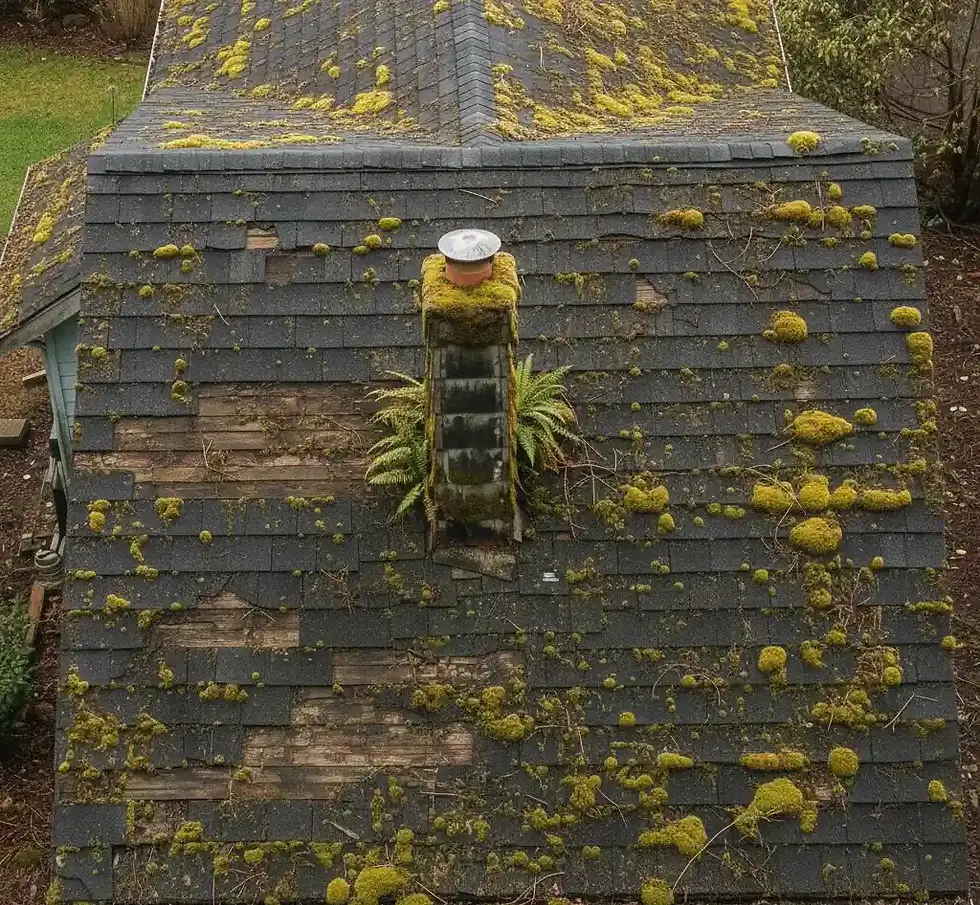
If you’re asking, “Is moss on a roof bad? ” the answer is yes. Moss may look soft and harmless, but it causes hidden roof damage that grows over time. In fact, a 2025 survey from This Old House shows nearly 31% of homeowners nationwide have done roof repair or maintenance in the past three years—a clear sign many know the value of upkeep.
Before long, those small green patches can turn into expensive problems like leaks and wood rot. As a homeowner in New Jersey, where we get plenty of moisture and shady neighborhoods, moss is a common issue. Learning what causes it, what damage it creates, and when to call a professional can save you money and protect your home.
Why Does Moss Grow on Roofs?
Moss thrives in humid, damp, and shaded environments, and our local climate in Morris County provides the perfect conditions. You’ll usually find it on the north-facing side of the roof, where sunlight is limited.
Common causes include:
Overhanging trees that block sunlight and drop debris
Clogged gutters keeping water trapped
Heavy shade from nearby homes or landscaping
Older shingles with worn-down granules
A roof that stays wet longer after rain
Some homeowners try to fight growth early by applying a moss killer for roofs, but once moss becomes thick or attached under shingles, stronger action is needed to prevent damage.
Is Moss on a Roof Bad for Asphalt Shingles?
Yes, moss is bad for asphalt shingles because it traps moisture under the roof surface. That trapped water causes long-term damage such as:
Shingle lifting: Moss pushes the shingle up, making it easy for water to slip underneath.
Rot and decay: Moisture soaks the roof decking and weakens structural wood.
Granule loss: Moss roots loosen the protective granules on asphalt shingles.
Leaks and interior damage: Water eventually enters the attic or ceilings.
The longer you wait, the more it spreads and the more costly the repairs.
Can Moss Shorten the Life of Your Roof?
Absolutely. Moss keeps your roof constantly damp, which speeds up aging. A roof that could last 20-25 years may need replacement much sooner if moss is left to grow freely. Here are common signs you need to soft wash your roof:
Thick or spongy moss patches that are spreading
Shingles lifting, curling, or cracking at the edges
Dark streaks, moisture stains, or moldy areas
Debris collecting in roof valleys and holding moisture
If you see these issues, acting quickly prevents higher repair bills later.
Can You Remove Roof Moss Yourself?
Some homeowners try DIY methods using:
Vinegar or bleach mixtures
High-pressure washing
Scraping tools
While these might remove moss on the surface, they are not a safe way to clean moss off your roof. Harsh pressure can strip away shingle granules and shorten roof life. Strong chemicals may discolor shingles or break them down over time.
The safest option is a soft-wash cleaning system: gentle, low-pressure water paired with roof-safe cleaning solutions. Soft washing removes moss at the root without harming your shingles.
DIY mistakes often end up costing more than hiring a professional from the start.
How to Prevent Moss From Growing Back
Once moss is removed, prevention is key. Here’s what works:
✔ Keep gutters clean and draining properly.
✔ Trim tree branches hanging over your roof.
✔ Remove leaves and debris from roof valleys.
✔ Improve sun exposure when possible.
✔ Install zinc or copper strips along the ridge to stop new spores.
Regular roof cleanings every 2–3 years help keep your roof protected long-term.
When Should You Call a Professional?
If moss has been growing for months or is spreading across multiple areas, professional removal is the safest choice. You should call a roof cleaning expert if:
Moss is thick or built up under shingles.
Shingles look lifted or cracked.
You see evidence of leaks or stains inside your home.
Your roof is older and more fragile.
You feel unsafe accessing the roof yourself.
A trained technician can remove moss safely without causing further damage.
Get Rid of Roof Moss Safely Without Damaging Your Shingles
A professional soft-wash roof cleaning is the safest way to stop moss before it causes serious trouble. Burrini’s Power Washing uses a gentle, low-pressure method that protects your shingles while removing moss at the root. They understand the damp and shady conditions common across Morris County, so they know how to prevent moss from coming back.
When you choose their team, you get a trusted local company that provides honest inspections, strong results, and affordable pricing. If you want to avoid leaks and expensive repairs later, now is the best time to act. Contact Burrini’s Power Washing today to schedule a roof inspection and get a free quote.


Comments