.png)


The Difference Between Power Washing and Pressure Washing
Updated: Jan 14

The main difference between pressure washing and power washing comes down to one thing: water temperature.
Pressure washing uses high-pressure cold water to remove dirt, grime, and algae, while power washing uses heated water to break down tougher buildup like grease, oil, mold, and mildew.
Choosing the wrong method can damage surfaces, while choosing the right one helps protect your property and extend its lifespan.
As professional exterior cleaners, we see homeowners often assume the two are the same.
In reality, most residential cleaning jobs only need pressure washing, while power washing is better for heavily soiled or grease-covered areas. The surface type, stain severity, and material condition all matter.
In this guide, we’ll clearly explain how pressure washing and power washing work, when each method should be used, and how to avoid costly mistakes.
So you can make the safest and most effective choice for your home or business.
What Is Pressure Washing?
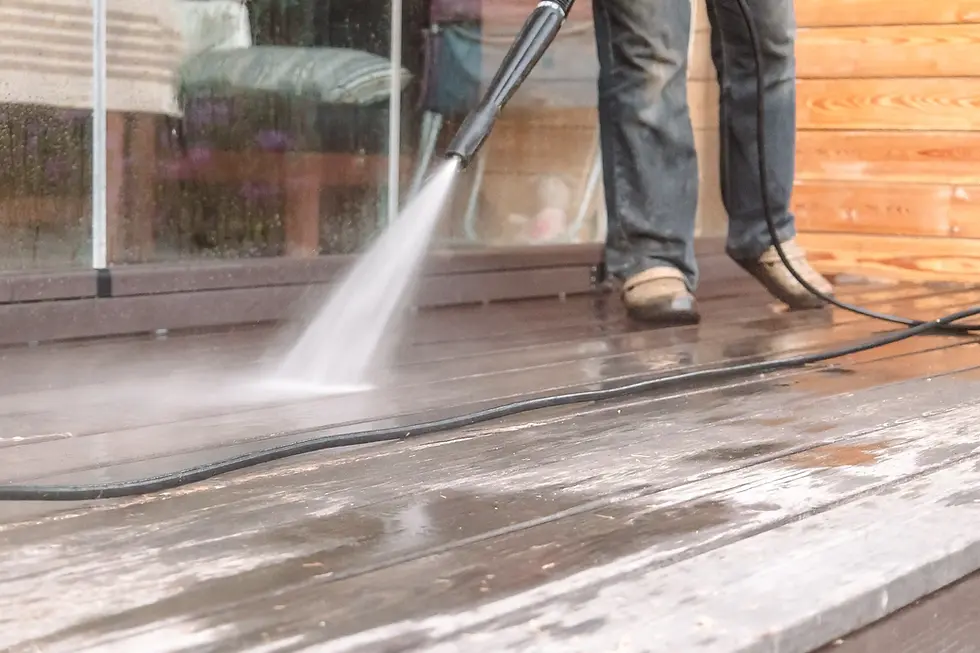
Pressure washing is a cleaning method that uses high-pressure cold water to remove dirt, dust, algae, mildew, and surface buildup from outdoor areas. It does not use heat.
Instead, it relies on controlled water pressure to lift grime off surfaces safely when done correctly.
In professional use, pressure washing is the most common option for residential cleaning. We use it for routine maintenance because it is effective without being overly aggressive.
When the pressure level and spray angle are set properly, it cleans thoroughly while protecting the surface underneath.
Pressure washing works best on materials that are strong enough to handle force but do not need heat to break down stains.
It is especially useful for seasonal upkeep, light organic growth, and general exterior cleaning. Homeowners often ask how often to pressure wash, and the answer depends on climate, shade, and surface exposure.
pr
However, pressure washing still requires experience. Using too much pressure or spraying at the wrong angle can damage wood, force water behind siding, or leave visible marks on concrete.
That is why professionals adjust pressure based on the surface, not just the stain.
Uses for Pressure Washing
Pressure washing is best used for routine exterior cleaning where heat is not needed to remove buildup.
In most residential situations, this method provides more than enough cleaning power while keeping surfaces protected. Professional pressure washing services help ensure these surfaces are cleaned safely and consistently.
Based on professional experience, pressure washing is commonly used for:
Driveways and walkways: Removes dirt, algae, and surface stains that build up from weather and foot traffic. This helps improve traction and curb appeal.
Sidewalks and patios: Clears moss, mildew, and grime without damaging concrete or pavers when the correct pressure is used.
Decks and fences: Prepares wood surfaces for staining or sealing. Lower pressure settings are used to avoid splintering or etching the wood.
Vinyl siding and gutters: Gently removes dirt, pollen, and mildew buildup. Professionals avoid spraying upward to prevent water from getting behind panels.
Outdoor furniture and light equipment: Safely cleans outdoor pieces that collect dust and organic debris over time.
For most homes, pressure washing once a year is enough to maintain a clean and well-kept exterior.
In humid or shaded areas, more frequent cleaning may be needed to control algae and mildew growth.
Pros and Cons of Pressure Washing
Pros
Effective for everyday dirt and buildup
Safe for most residential surfaces
No heat required
Cost-effective
Ideal for regular maintenance
Cons
Can cause damage if pressure is too high
Less effective on grease and oil
Requires proper technique
Not ideal for heavy buildup
Best Uses for Pressure Washing
Pressure washing works best when you need strong cleaning power without heat. It is ideal for routine maintenance and surfaces that can handle water pressure but do not have heavy grease or oil buildup.
Pressure washing is best for:
Concrete and brick surfaces
Vinyl siding and soffits
Wood decks and fences
Sidewalks and pool decks
Seasonal exterior maintenance
If a surface is only dirty from weather, foot traffic, or light organic growth, pressure washing is usually the safest and most effective choice.
What Is Power Washing?
Power washing is a cleaning method that uses high-pressure water combined with heat to remove tough stains and buildup from exterior surfaces.
Power washing uses heated water, which helps break down grease, oil, mold, mildew, and bacteria more effectively than cold water alone.The right choice depends on whether heat is needed to remove the buildup.
Professional power washing services are typically used when cold water alone is not enough. The heat softens and loosens stubborn contaminants, allowing them to be washed away faster and more thoroughly.
This makes power washing especially useful for surfaces that have not been cleaned in a long time or are exposed to heavy use.
From hands-on experience, power washing is not meant for every surface. While it is highly effective, the combination of pressure and heat must be carefully controlled to avoid damage.
That is why professionals adjust temperature and pressure based on the material being cleaned, not just the level of dirt.
When used correctly, power washing restores heavily soiled surfaces while helping prevent long-term buildup that can shorten their lifespan.
Best Uses for Power Washing
Power washing is best when heat is needed to break down heavy buildup that cold water cannot remove.
This method is commonly used for deep cleaning and surfaces with grease, oil, or thick organic growth.
Power washing is best for:
Oil-stained driveways and garage floors: Heated water helps loosen oil and grease that soak into concrete.
Mold and mildew removal: Heat helps kill mold spores and bacteria on siding and hard surfaces.
Heavily neglected surfaces: Ideal for areas that have not been cleaned in years and have thick buildup.
Commercial and high-traffic areas: Used for parking lots, loading zones, and entryways that collect grease and grime.
Deep exterior restoration: Restores surfaces before repairs, sealing, or repainting.
Because power washing uses both pressure and heat, it should be done with care. Professionals select the right temperature and pressure to clean effectively without damaging the surface.
Pros and Cons of Power Washing
Pros
Removes tough stains more effectively
Kills mold and bacteria
Saves time on deep cleaning jobs
Ideal for neglected surfaces
Cons
Higher risk of surface damage
Not safe for all materials
More expensive than pressure washing
Requires professional control
Power washing delivers powerful results, but it should only be used when the surface and stain truly require heat.
Pressure Washing vs Power Washing: Which Should You Choose?
Choosing between pressure washing and power washing depends on what you’re cleaning, how dirty it is, and the surface material.
The biggest difference is whether heat is needed to remove the buildup.
Choose pressure washing if:
The surface has dirt, dust, algae, or light mildew
You are cleaning vinyl siding, decks, fences, patios, or sidewalks
The area is part of regular home maintenance
You want a safer option for most residential surfaces
Choose power washing if:
The surface has oil, grease, or heavy stains
Mold and mildew have built up over time
The area has not been cleaned in years
You need deep cleaning for driveways, garages, or commercial spaces
From professional experience, most homes only need pressure washing once a year. Power washing should be used only when heat is truly required.
When choosing the right pressure washer, always consider surface type and stain severity to avoid costly damage.
Pressure Washing vs Power Washing by Surface
Surface | Pressure Washing | Power Washing |
Vinyl siding | ✅ Safe when proper pressure and angle are used | ❌ Risky due to heat and potential warping |
Oil stains | ❌ Limited effectiveness with cold water | ✅ Best option for breaking down grease |
Wood decks | ⚠ Safe only at low pressure | ❌ Often too harsh and can damage wood |
Concrete driveways | ✅ Effective for dirt and algae | ✅ Best for oil and heavy stains |
Fences | ✅ Works well with controlled pressure | ❌ Not recommended for most materials |
Commercial surfaces | ⚠ Depends on buildup level | ✅ Ideal for heavy-duty cleaning |
Pressure Washing and Power Washing: Should You DIY or Hire a Pro?
Understanding when to use pressure washing versus power washing is important before deciding to do the job yourself or hire a professional.
While both methods may look simple, using the wrong pressure, temperature, or technique can lead to costly damage.
DIY may be okay if:
You are cleaning small areas with light dirt or algae
You understand proper pressure settings and spray angles
The surface is durable, such as concrete or brick
You are using basic equipment for routine cleaning
Hiring a professional is the safer choice if:
The surface is wood, siding, roofing, or painted material
There is oil, grease, mold, or heavy buildup
The area is large or hard to reach
You want to avoid surface damage or water intrusion
At Burrini’s Power Washing, we regularly help homeowners and business owners who attempted DIY cleaning and ended up with damaged siding, etched concrete, or uneven results.
Professional services ensure the right method, pressure washing or power washing, is used based on the surface, not guesswork.
When there is any uncertainty, working with experienced professionals helps protect your property and delivers safer, longer-lasting results.
Restore Your Property the Right Way with Burrini’s Power Washing
Keeping your exterior clean should never come at the cost of damaging your property. Knowing when to use pressure washing versus power washing makes a real difference in how surfaces look, how long they last, and how safe the cleaning process is.
At Burrini’s Power Washing, we take a surface-first approach. That means we evaluate the material, level of buildup, and condition of each area before choosing the right method.
Some surfaces only need controlled pressure, while others require heat to safely break down grease, mold, or heavy grime. There is no one-size-fits-all solution.
Whether you need routine exterior maintenance or deep cleaning for stubborn stains, our team uses professional equipment, proper techniques, and real-world experience to deliver consistent results without unnecessary risk.
If you’re unsure which method your property needs, we’re here to help. Contact Burrini’s Power Washing to schedule a residential power washing service and get expert guidance that keeps your home or business looking its best.
Frequently Asked Questions About Pressure Washing and Power Washing
Can power washing damage siding?
Yes, power washing can damage siding if the heat or pressure is too high. Vinyl and older siding materials are especially vulnerable to warping or moisture intrusion.
Is pressure washing safe for roofs?
Pressure washing is generally not recommended for roofs because high pressure can loosen shingles and strip protective granules. Roof cleaning should use low-pressure methods designed specifically for roofing materials.
How often should you pressure wash your home?
Most homes benefit from pressure washing once a year. Properties in humid, shaded, or high-pollen areas may need more frequent cleaning to control algae and mildew.


Comments