


.png)
Roof Moss Removal: When DIY Works and When to Hire a Professional
Roof Moss Removal: When DIY Works and When to Hire a Professional
By Andreyan Solanoy, Burrini’s Power Washing
Roof moss removal is a critical aspect of maintaining the integrity and longevity of your home’s roof. With moss being a common issue for many homeowners, particularly in moist areas like New Jersey, understanding when to handle this task yourself or when to entrust it to professionals is essential. This guide will help you navigate the best practices for roof moss removal, outlining both DIY methods and professional services available to you. By addressing the benefits and risks associated with each approach, you will gain clarity on how to effectively protect your roof and what steps to take for various moss growth scenarios. Finally, we’ll discuss preventative measures to keep your roof clear of moss in the long run.
When DIY Methods Are Effective:
Homeowners often wonder when they can tackle roof moss removal on their own. There are specific instances where DIY methods prove not only feasible but also advantageous. Factors such as the roof's pitch, type of moss, and the extent of the infestation all play crucial roles.
Low, Accessible Roofs: If your roof is flat or has a gentle slope, accessing the area for cleaning is generally safe, making DIY removal a practical choice.
Light to Moderate Moss Growth: When the moss coverage is limited, simple removal techniques like manual scraping or using a hose can be effective without extensive safety risks.
Cost-Effective Options: Taking the DIY route can save you money, especially if you already own the necessary tools. It can be an attractive option for homeowners looking to minimize expenses on lesser infestations.
When to Hire a Professional:
While DIY removal can work in many scenarios, some situations necessitate hiring professionals. Understanding these circumstances can save you from potential hazards or ineffective treatments.
Steep or High Roofs: Conducting moss removal on steep or high roofs increases the risk of accidents. Professional services have proper equipment and training to ensure safety.
Extensive Moss Coverage: If the moss has spread significantly, specialized techniques are required. Professionals can evaluate the situation and implement appropriate solutions.
Roof Damage Considerations: Always consider the underlying condition of your roof. If there’s existing damage, a professional assessment can ensure that the roof is not further compromised during cleaning.
Why Is Moss Removal Important for Your Roof's Health in New Jersey?
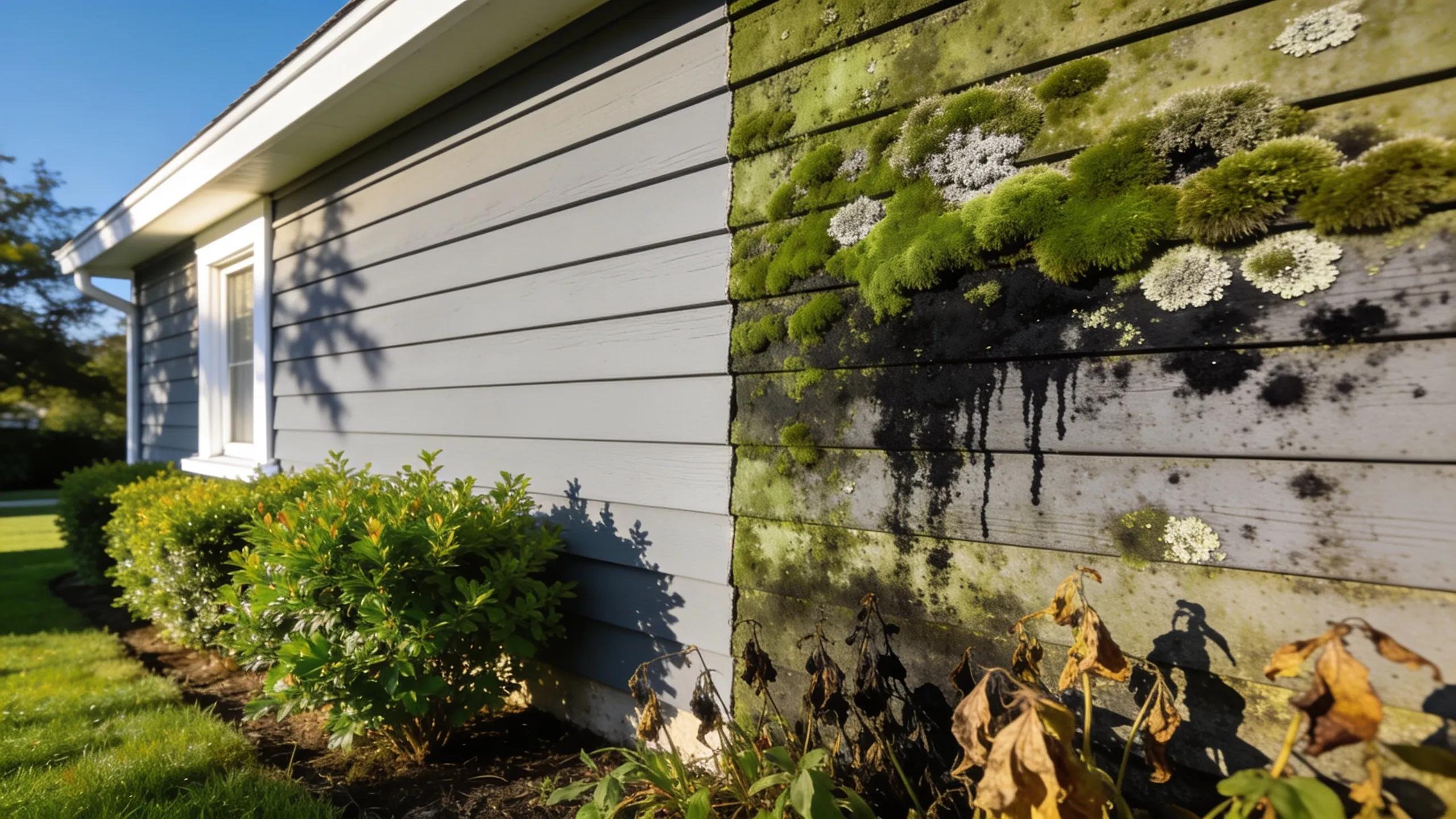
Moss growth can pose significant risks to the structural integrity of roofs, particularly in regions with humid climates like New Jersey. The accumulation of moss can lead to various issues, emphasizing the importance of regular removal.
Moisture Retention and Damage: Moss traps moisture against the shingles, leading to decay and potential leaks over time. Prolonged exposure can compromise the roof’s materials, necessitating costly repairs.
Cost Implications of Neglect: Failing to address moss can result in greater expenses down the line, punctuating the value of proactive maintenance.
Environmental Outlook: A well-maintained roof not only protects your home but also contributes positively to the surrounding environment, preventing mold growth and enhancing the overall appearance of your property.
How Does Moss Damage Roof Shingles Over Time?
Over time, moss can significantly harm roof shingles through several mechanisms. Understanding these effects can help homeowners take appropriate action sooner rather than later.
Moisture Retention: As moss retains water, it leads to prolonged exposure of shingles to moisture, which accelerates wear and tear.
Shingle Lifting: The roots of the moss can lift shingles, creating gaps for water infiltration, which could lead to leaks and other complications.
Increased Risk of Leaks: As the integrity of the shingles is compromised, the risk of leaks increases, potentially impacting the entire roofing system and requiring urgent repairs.
What New Jersey Weather Factors Encourage Moss Growth?
Several climatic conditions in New Jersey create an ideal environment for moss proliferation. Knowing these factors can inform maintenance schedules for your roof.
Temperature Ranges: Mild temperatures combined with moisture create a perfect breeding ground for moss. The warm, damp conditions in spring and fall particularly encourage growth.
Humidity Levels: High humidity prevalent in New Jersey contributes to the retention of moisture on roof surfaces, fostering an environment where moss thrives.
Seasonal Patterns: The fluctuation of seasons often leads to conditions that support moss growth, making regular evaluations essential to address this ongoing issue.
When Is DIY Roof Moss Removal Safe and Effective?
Homeowners must consider several factors when contemplating the DIY approach to moss removal. Effectively assessing your readiness for the task can ensure safety and success.
Extent of Moss Growth: Before attempting DIY solutions, evaluate how much moss is present. Limited growth may be manageable, while extensive coverage may require professional assistance.
Roof Accessibility: If you can safely access your roof without extensive equipment, a DIY approach might be feasible. Always prioritize safety first.
Personal Comfort Level: If you feel comfortable working at heights and possess basic cleaning tools, you may be suited for DIY removal. However, always reassess your experience and comfort surrounding these conditions.
What Are the Criteria for Attempting DIY Moss Removal?
Before taking matters into your own hands, it's essential to understand specific criteria that can guide your decision.
Safety Measures: Always wear a helmet and harness, especially when working on steep roofs. The right safety gear is crucial to avoid accidents.
Required Tools: Having the right tools, such as a moss removal brush, a garden sprayer, or a hose, can significantly ease the process.
Scenarios for DIY: Situations involving minor growth or easily accessible roofs may be ideal for DIY. Assess each case individually based on the outlined criteria.
Which Safe Moss Removal Techniques Can Homeowners Use?
There are various techniques that homeowners can employ for safe and effective moss removal from their roofs.
Preparation Steps: Start by clearing debris such as leaves and branches from the roof to expose the moss effectively.
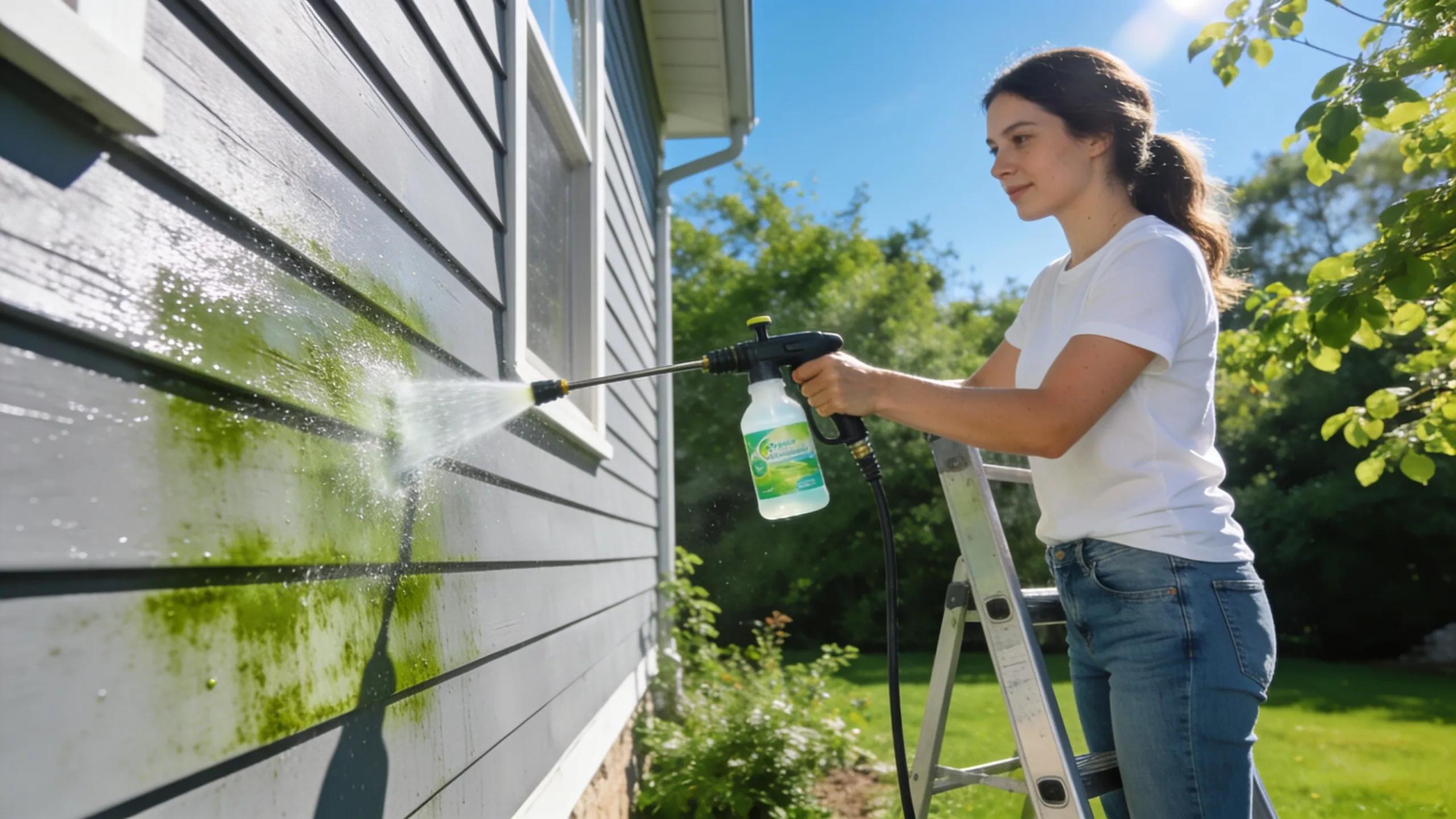
Gentle Removal Methods: Manual scraping using a non-abrasive brush is a safe approach for light moss growth. For heavier infestations, consider natural or biodegradable chemical treatments.
Chemical Treatments: If you choose to use chemical solutions, ensure that they are safe for shingles and the environment. Products that are biodegradable can provide safe alternatives for moss treatment.
What Are the Risks of DIY Moss Removal and When Should You Hire a Professional?
While DIY approaches have their advantages, several risks accompany them that homeowners should consider carefully.
Potential Damage: Improper removal techniques can result in shingle damage, leading to more serious problems.
Safety Concerns: Working on roofs without proper safety measures can pose serious risks. If unsure about your safety, seeking professional help is advised.
When to Seek Help: If you feel that the moss coverage is beyond your comfort level or if your roof is steep, it's wise to hire experts who have the equipment and experience.
What Safety Concerns Can Arise With Steep or Fragile Roofs?
When dealing with steep or fragile roofs, safety must remain a top priority during moss removal.
Increased Risk of Slips: The steep slope of certain roofs makes them inherently dangerous for manual cleaning. Specialized gear or professional assistance is recommended.
Proper Ladder Use: If using a ladder, ensure it is stable and properly positioned. Consider assistance from someone on the ground to ensure safety while you work.
Protecting the Landscape: Be mindful of the landscape below. Falling debris or cleaning solutions can potentially damage plants. Using tarps to protect surrounding areas is advisable.
How Does Professional Roof Cleaning Protect Your Property?
Hiring professionals for roof cleaning comes with numerous benefits that contribute to the long-term health of your property.
Expertise and Equipment: Professionals are trained to identify the best cleaning techniques to preserve your roof's integrity while ensuring all moss is entirely removed.
Preventative Maintenance: Regular professional cleaning can prevent the recurrence of moss and extend the life of your roof, safeguarding your investment.
Safety Measures: With proper tools and industry knowledge, professionals can mitigate risks associated with your roof's unique conditions.
How Do Professional Roof Moss Removal Services Work?
Understanding the methods employed by professional services can clarify why they are often a worthwhile investment for homeowners. Many companies offer professional roof cleaning services that go beyond simple moss removal.
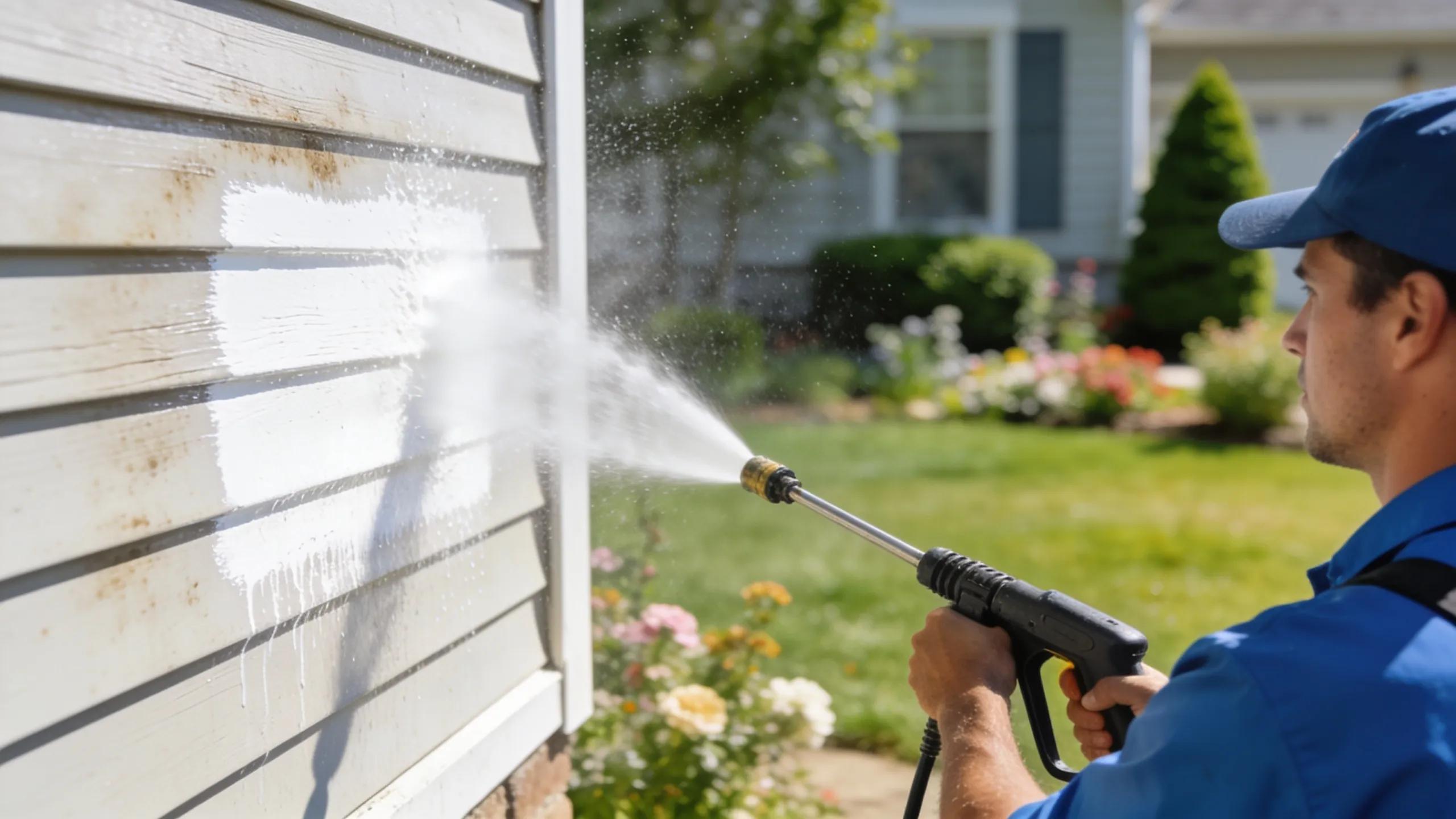
Soft Washing Techniques: Many professionals utilize soft washing methods that involve lower pressure than standard pressure washing, providing a safe option for roof surfaces.
Application of Chemicals: Specialized moss treatments are applied by trained personnel, ensuring effective moss removal without damaging surrounding vegetation.
Follow-Up Assessments: After cleaning, professionals often conduct follow-up evaluations to ensure the moss is effectively managed and provide suggestions for future preventative steps.
Why Choose Local Experts Familiar With Morris County Conditions?
Choosing local professionals can provide unique advantages, particularly in understanding specific environmental factors that affect moss growth and roof maintenance.
Local Climate Knowledge: Professionals familiar with Morris County's climate have insights into the most effective techniques suitable for the area, enhancing results.
Customized Approaches: Local experts can tailor services to match the specific conditions of your property, ensuring optimal care for your roof.
Timely Services: Engaging local businesses can lead to prompt responses, reducing the likelihood of prolonged moss problems that may affect your home.
How Can You Prevent Moss Growth to Protect Your Roof Long-Term?
Preventing moss growth is essential for maintaining a healthy roof and reducing the need for removal in the first place. Regular maintenance, including services like house washing services, can help keep your entire exterior clean.
Regular Maintenance: Scheduling regular inspections and cleaning can prevent moss from taking hold during the more humid months.
Proper Inspections: Conducting routine checks on your roof will allow you to catch early signs of moss, helping you address them before they escalate.
Preventative Products: Consider using moss prevention products designed for prolonged effectiveness, protecting your roof from future infestations.
Which Maintenance Practices Reduce Moss Recurrence?
Implementing specific practices can significantly minimize the chances of moss reappearing on your roof.
Regular Inspections: Schedule semi-annual inspections to assess for signs of moss or other potential issues.
Trimming Branches: Ensure that overhanging tree branches are trimmed regularly, as they can provide shade and moisture conducive to moss growth.
Roof Ventilation: Improving ventilation can help reduce humidity on your roof's surface, creating an environment less favorable for moss development.
What Chemical Treatments Are Safe and Effective for Moss Prevention?
There are various chemical treatments available for preventing moss growth while being mindful of the safety of your roof and environment.
Biodegradable Options: Choosing eco-friendly chemical treatments can effectively target moss without harming the plants around your property.
Application Methods: Techniques such as spraying solutions onto the roof can ensure comprehensive coverage for maximum effectiveness.
Long-Term Effectiveness: Implementing a schedule for chemical treatments can protect against moss growth, maintaining your roof's health over time.
What Should Homeowners in New Jersey Know Before Starting Moss Removal?
Homeowners in New Jersey should be aware of several critical factors before embarking on moss removal strategies. If considering professional patio and deck pressure washing services, ensure they are performed by qualified individuals.
Local Regulations: Be cognizant of any regulations regarding chemical use and disposal in your area to avoid fines or environmental harm.
Best Practices: Familiarize yourself with the reputable practices outlined by local experts to ensure safe and effective moss removal.
DIY vs. Professional: Reflect on the advantages and disadvantages of each approach to determine the best course of action for your circumstances.
How Do NJ Regulations and Local Conditions Affect Moss Removal Choices?
Understanding New Jersey's regulations and environmental factors can influence your mosaic removal strategies. For instance, when considering hard surfaces, know that driveway and sidewalk cleaning services must also comply with local guidelines.
Compliance with Regulations: Ensuring adherence to local laws regarding chemical use is crucial for avoiding penalties and protecting the environment.
Environmental Impact: Consider methods that are safe for local wildlife and plants during treatment to maintain ecological balance.
Best Techniques for Local Conditions: Search for local experts who tailor their approaches to suit the unique climate and conditions of your area.
What Are the Typical Costs and Value of DIY Versus Professional Services?
Examining the cost factors associated with both DIY and professional moss removal can help in making an informed decision. Different exterior cleaning services, such as fence washing services, also vary in cost and require professional consideration.
DIY Cost Breakdown: Generally, materials for DIY can range from minimal costs if using basic tools to a few hundred dollars if you prefer specialized products.
Professional Service Costs: Hiring professionals may entail costs typically ranging from $200 to $800 depending on the size and condition of the roof.
Pros and Cons of Each Approach: Weighing the long-term value of preventing roof damage against immediate costs can determine which method serves you best.
Comments