


.png)
7 Hidden Risks of Neglecting Regular Driveway Cleaning
Updated: Nov 24, 2025

A clean driveway does more than boost curb appeal. It protects your home, your safety, and your investment. In New Jersey, constant exposure to salt, moisture, and pollen can quickly turn driveways into slippery, stained surfaces.
Regular driveway cleaning removes buildup that weakens materials, prevents cracks, and helps your property look its best all year long. In fact, one recent study found that just maintaining an attractive exterior can boost a home’s value by up to 7 percent.
Neglecting this simple maintenance step can lead to expensive repairs and potential liability issues, especially as Morris County continues to enforce stricter safety standards for residential walkways.
What Driveway Cleaning Really Involves
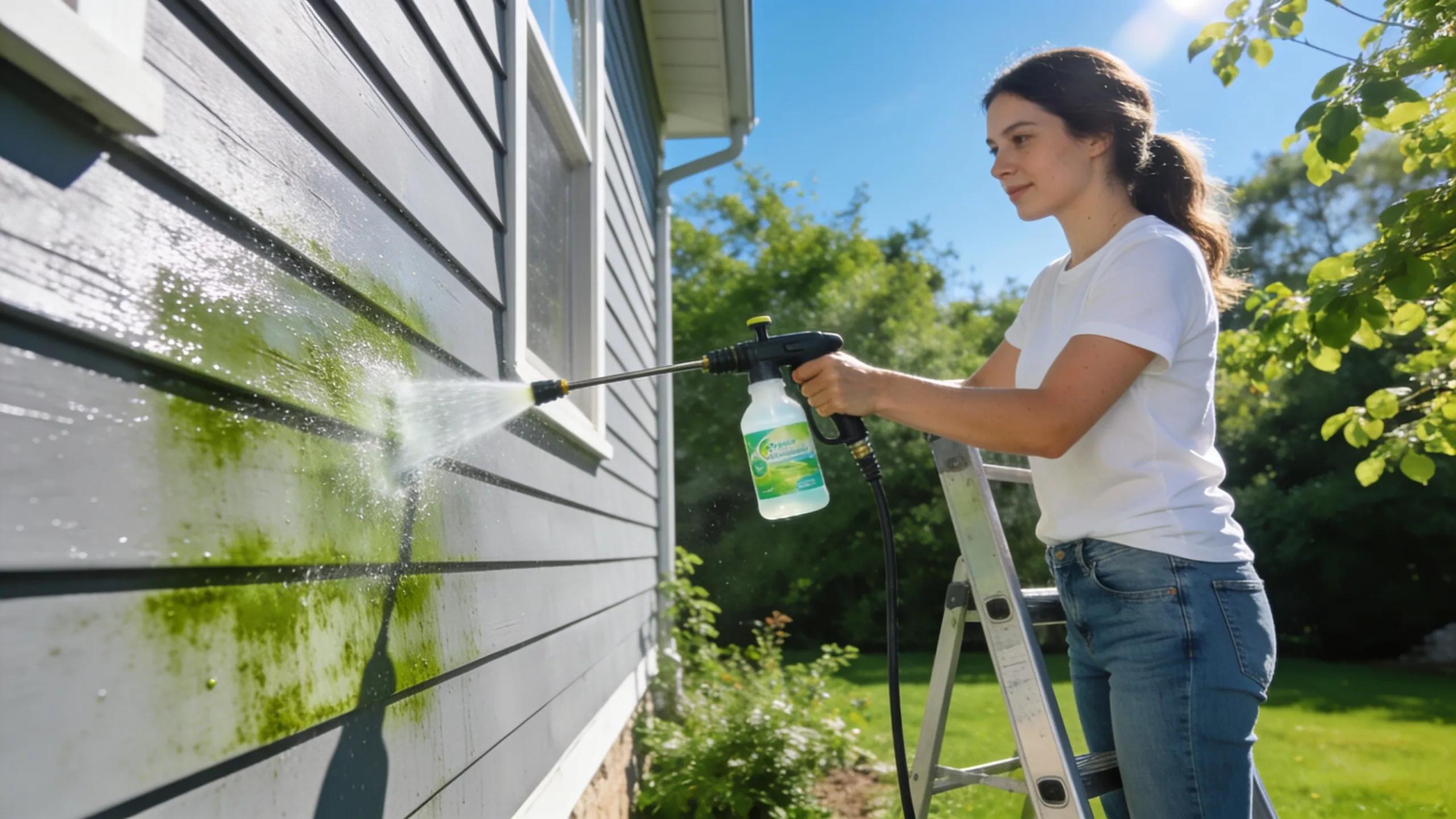
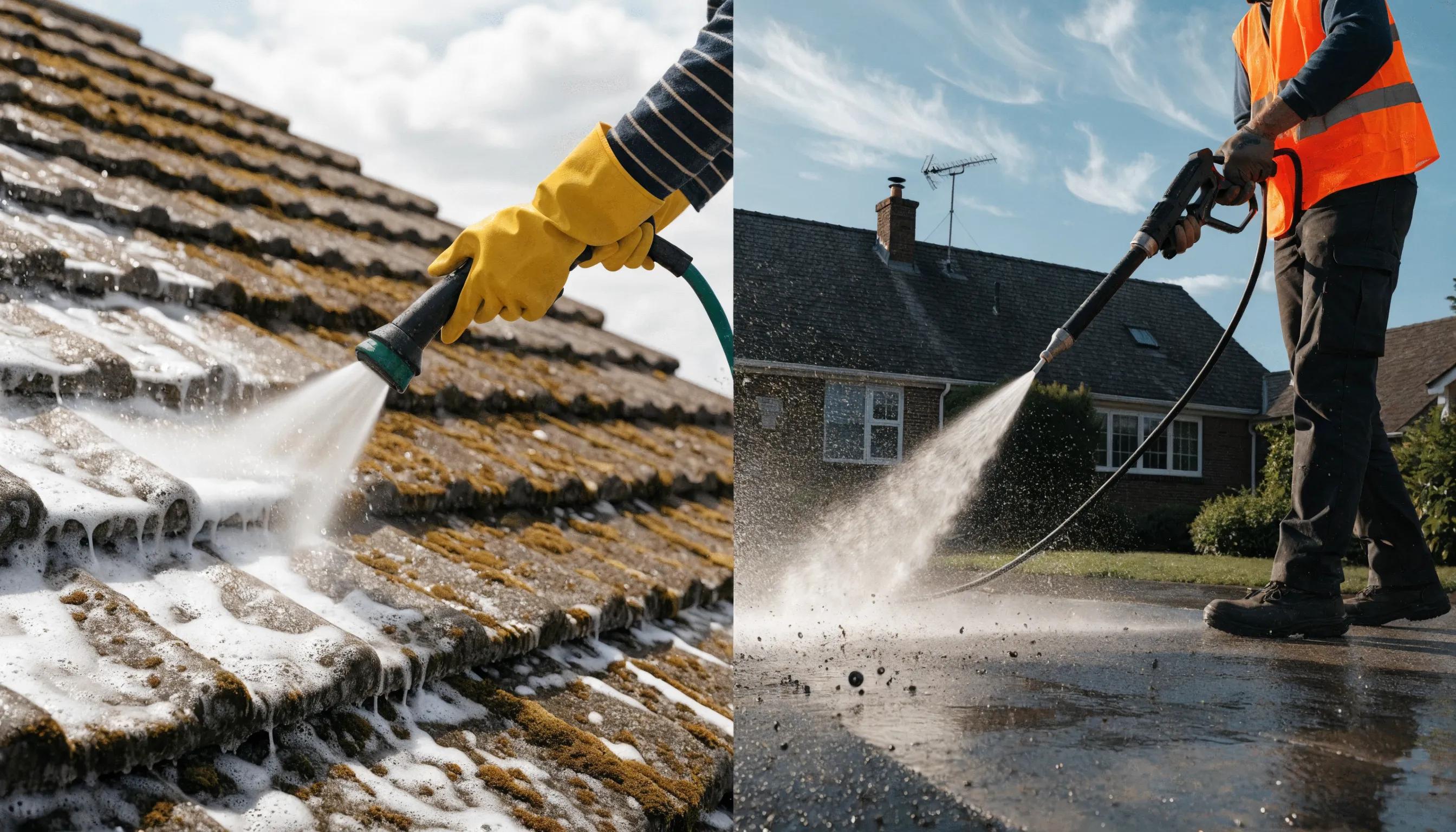
Driveway cleaning isn’t just spraying water with a hose. Professional services combine high-pressure rinsing with eco-friendly detergents designed to lift oil, rust, mold, and algae from concrete, asphalt, brick, and pavers.
The goal is to restore each surface to a clean, uniform finish, free from stains, slick spots, and harmful growth.
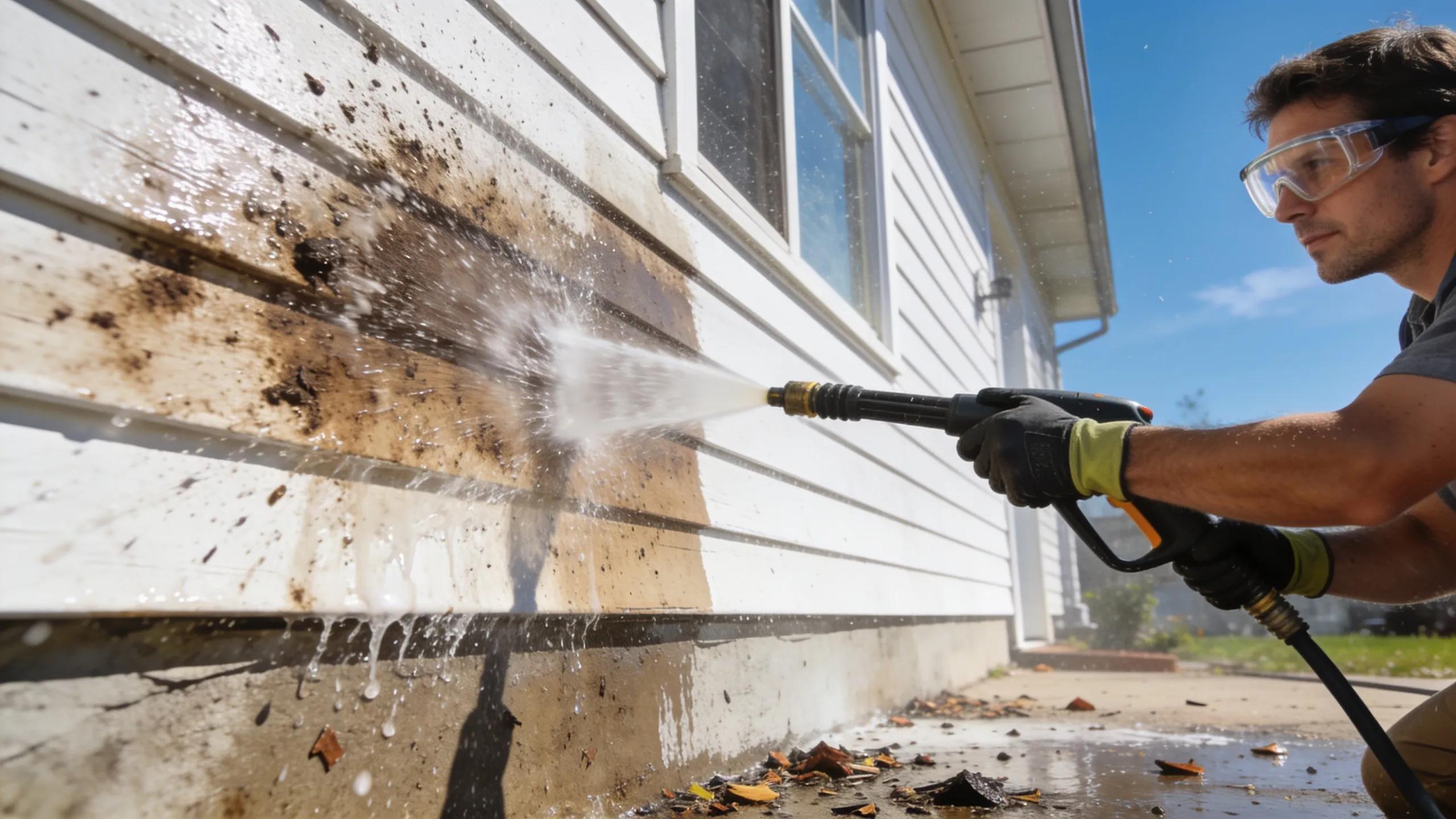
Unlike quick DIY washes, expert pressure washing uses calibrated pressure and surface-specific nozzles to prevent damage while restoring concrete, asphalt, and pavers.
How New Jersey Seasons Affect Your Driveway
Each season brings a different challenge for outdoor surfaces:
Winter: Salt and sand from icy roads cling to concrete, leaving white residue and accelerating erosion.
Spring: Warm weather and shade encourage algae and mold growth, especially under trees or in damp corners.
Summer: High humidity creates mildew patches that make surfaces slippery and dull.
Fall: Decaying leaves leave tannin stains that darken concrete and attract moss.
According to HomeAdvisor, homeowners spend an average of $1,000 - $5,000 to replace a damaged driveway, but regular cleaning can significantly extend its lifespan.
Schedule professional cleaning at least twice a year, after winter and before the first freeze. It keeps surfaces healthy and safe.
The 5 Hidden Risks of Neglecting Driveway/Sidewalk Cleaning
Slip-and-Fall Hazards
Algae, mildew, and oil form slick films that make driveways unsafe. In Morris County, homeowners can be held liable for slip injuries that occur on poorly maintained surfaces.
Surface Deterioration
Dirt and organic growth trap moisture, which seeps into pores and expands during freeze-thaw cycles. Over time, this causes cracks, pitting, and scaling.
Permanent Stains and Corrosion
Oil, rust, and salt penetrate concrete if left untreated, leading to irreversible discoloration and chemical damage.
Weed and Moss Growth
Dirt-filled cracks become a perfect place for weeds and moss to take root. Cleaning removes the buildup that encourages regrowth.
Lower Curb Appeal and Home Value
First impressions matter. A stained or weathered driveway can make even a beautiful home appear neglected, reducing resale value by several percentage points.
Best Times for Driveway Cleaning
New Jersey’s weather changes quickly, so timing your driveway cleaning makes a difference in both safety and surface life.
Spring (March–April): Removes winter salt, sand, and residue that cause erosion and stains.
Fall (October–November): Clears leaves, mold, and grime before freezing to prevent cracks.
Shaded or Damp Areas: Homes near woods or lakes, like Mt. Tabor and Cedar Lake, benefit from one extra mid-summer cleaning to control algae and moss.
According to Angi’s 2025 maintenance data, homeowners who clean their driveways twice a year spend up to 50% less on long-term repairs. For best results, consider hiring a pressure washing company to handle seasonal cleanings safely and efficiently.
Why Hire Professional Driveway Cleaning?
Professional cleaning delivers better results, protects your surfaces, and saves time and long-term costs. Here’s how it compares to DIY cleaning:
Factor | Professional Driveway Cleaning | DIY Cleaning |
Equipment | Uses commercial-grade pressure washers with adjustable PSI for concrete, asphalt, and pavers | Relies on low-power rental units that often can’t remove deep stains |
Cleaning Agents | Applies eco-friendly, surface-safe detergents that lift oil, algae, and rust | Often limited to store-bought cleaners that may damage sealants |
Technique | Trained technicians use proper angles and nozzles to avoid surface etching | Incorrect nozzle or distance can cause streaks or permanent damage |
Time and Efficiency | Cleans large areas quickly and evenly | Time-consuming and inconsistent results |
Safety | Professionals follow safety protocols and water-control measures | Risk of injury, water waste, or damage to nearby landscaping |
Long-Term Results | Protects surfaces and extends driveway lifespan | Temporary results; buildup returns faster |
A professional cleaning is more than convenience. Understanding the difference of power washing and pressure washing helps homeowners see why hiring experts ensures every square foot is cleaned safely and effectively, without risk to your property or landscaping.
Checklist: Year‑Round Maintenance Tips for Homeowners
Task | Frequency | Benefit |
Sweep/blow leaves | Weekly in Fall | Prevent buildup and stains |
Hose rinse after storms | After heavy rain | Avoid debris accumulation |
Wipe spills (oil, grease) | Immediately | Prevent permanent stains |
Seal driveway | Every 2–3 years | Protect surface from damage |
Trim overhangs | Bi-annually | Increase sunlight, reduce algae |
Small habits like these complement power washing and keep your home looking fresh year-round.
A Clean Driveway Says It All
A clean driveway or sidewalk boosts curb appeal, prevents hazards, and protects your investment. Regular driveway cleaning, as part of routine residential cleaning, keeps your property safe, sharp, and market-ready year-round.
When you’re ready for that fresh, worry-free finish, trust Burrini’s Power Washing. Our team delivers expert results with safe, eco-friendly methods designed for New Jersey homes.
Call (973) 598-1900 or visit burrinispowerwashing.com to request your free estimate and see how clean your home can truly look.
Frequently Asked Questions
What’s the difference between driveway cleaning and pressure washing?
Driveway cleaning can combine soft wash and pressure techniques; pressure washing uses high-pressure water only. Best practice demands selecting the right method per surface.
How often should I clean my sidewalk?
Twice yearly—as part of spring and fall maintenance—is ideal, especially for shaded areas prone to algae.
Can I rent a pressure washer and do this myself?
DIY is possible, but improper settings risk surface damage. Professionals calibrate tools and use pre-treatments safely.
Is it environmentally safe?
Yes—when using eco‑friendly detergents and minimal water, pressure washing is an eco-conscious clean, far better than resurfacing.
How much does a professional cleaning cost?
Typically $200–$400 depending on driveway size and surface type, but investing now helps avoid $1,000+ surface repairs later.
Does clean concrete really matter for property value?
Definitely—clean, well-kept driveways add curb appeal and can boost sale value by 2–5% in Morris County markets.
Comments