


.png)
Wood Deck vs Composite Deck Cleaning Methods
Wood Deck vs Composite Deck Cleaning Methods: Practical Tips for Safe and Effective Maintenance
By Andreyan Solanoy, Burrini’s Power Washing
Maintaining the cleanliness and integrity of your deck is crucial for its longevity and aesthetic appeal. When it comes to choosing between wood and composite decks, the cleaning methods can vary significantly due to the different materials. Wood decks often require more frequent maintenance and specific cleaning agents to tackle issues like mold and mildew. In contrast, composite decks, made from a blend of wood fibers and plastic, typically demand less upkeep but have their unique cleaning challenges. This article delves into effective cleaning methods for both wood and composite decks, highlighting their specific needs and offering practical tips for homeowners.
In the following sections, we will explore the key differences between wood and composite decking, material-specific cleaning needs, recommended products, eco-friendly options, and effective pressure washing techniques. By understanding these aspects, you can make informed choices that benefit your deck's appearance and extend its lifespan.
Wood Deck vs Composite Deck Cleaning Methods: Guide
Cleaning methods for wood and composite decks vary due to their material composition and maintenance needs. Wood decks, usually made of treated lumber or natural wood, require careful cleaning to prevent damage and preserve their aesthetic. On the other hand, composite decks, which are engineered from wood and recycled materials, can handle different cleaning agents but still need specific care to maintain their appearance. Homeowners must not only understand the cleaning requirements of each type but also the benefits and challenges associated with them.
Key Differences:
Material Composition:
Wood decks are generally constructed from softwoods or hardwoods, such as cedar, redwood, or pressure-treated pine. These materials offer a natural look and feel but may be more susceptible to rot, warping, and insect damage. In contrast, composite decks consist of a mixture of plastic and wood fibers, which enhance their durability and resistance to the elements. The differences in composition directly affect how each type of decking should be cleaned and maintained, as wood requires harsher cleaning solutions and more frequent treatment compared to the generally low-maintenance composite materials.
Maintenance Requirements:
Maintaining a wood deck involves regular sealing, staining, and cleaning, typically at least once a year, depending on exposure to the elements. Homeowners should inspect their decks regularly for signs of wear, mold, or mildew. Composite decks, while requiring less frequent maintenance, still benefit from periodic cleaning to prevent the buildup of dirt and debris that can lead to discoloration or staining. Ideally, composite surfaces should be cleaned at least once or twice a year to maintain their appearance and integrity.
Material-Specific Cleaning Needs:
Cleaning methods for wood decks include using specific wood deck cleaners and mildew removers that are gentle yet effective. It is essential to use products that do not contain bleach or harsh chemicals, as these can damage the wood surface. Conversely, composite decks can often be cleaned with mild soap and water or specially formulated composite cleaners. Homeowners should avoid pressure washing composite materials at high settings, as this can cause damage to the surface.
After examining the general cleaning needs, effective cleaning practices specific to each decking material must be considered. For wood decks, the cleaning process involves using a soft-bristle brush to scrub the surface after applying a suitable cleaner. Composite decks benefit from a straightforward wash and rinse approach, making their cleaning process less labor-intensive.
Common Local Challenges in New Jersey:
In New Jersey, homeowners face unique environmental factors that can affect deck maintenance. High humidity levels can promote mold and mildew growth on wood decks, necessitating more frequent cleaning and treatment. Seasonal debris, such as leaves and pollen, can also accumulate on both wood and composite surfaces, leading to staining if not managed promptly. Understanding these local challenges can help homeowners implement effective cleaning strategies tailored to their specific environment.
Recommended Cleaning Products:
When it comes to cleaning products, selecting the right one is vital for both types of decks. For wood decks, look for wood deck cleaners designed to remove dirt and stains without damaging the wood. Products such as these ensure optimal results while maintaining the wood's natural beauty.
For composite decks, specific composite deck cleaners can lift stains and reduce discoloration without harming the material. The choice between these products should depend on the specific needs of the deck and the desired maintenance routine.
Cleaner Type | Use Case | Effectiveness |
Wood Deck Cleaners | Removes mold and mildew from wood | High |
Composite Cleaners | Cleans and prevents stains | Moderate to High |
Eco-Friendly Cleaners | Natural cleaning options | Variable |
This table illustrates various cleaning products suited for each deck type, highlighting their use cases and effectiveness in maintenance.
Eco-Friendly Options:
For environmentally-conscious homeowners, there are eco-friendly cleaning solutions available that can effectively clean both wood and composite decks. These biodegradable products are designed to minimize environmental impact while ensuring effective cleaning. It's crucial to select cleaners that are non-toxic and safe for surrounding plants and wildlife, reflecting a commitment to both home maintenance and environmental preservation.
Pressure Washing Techniques:
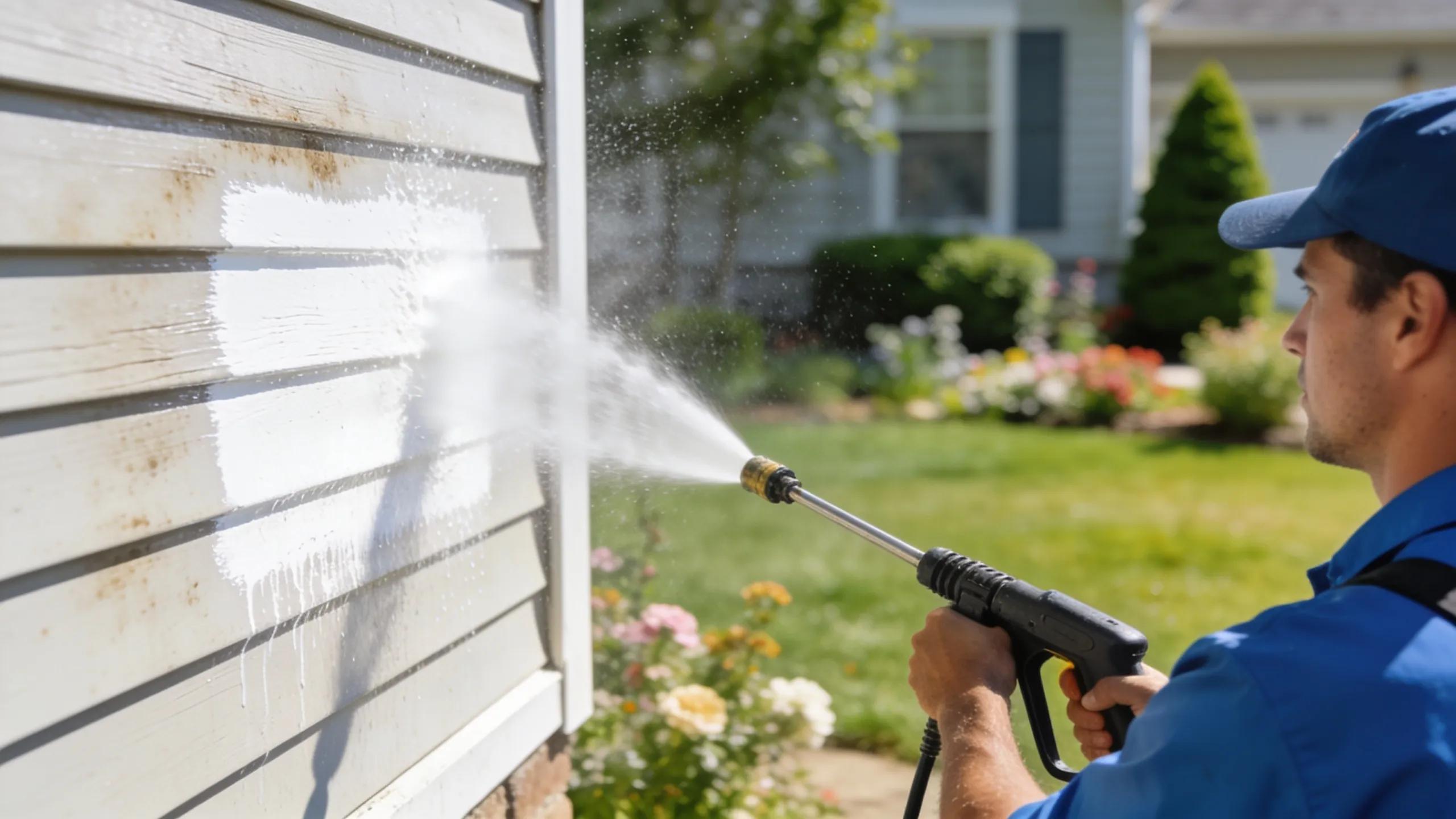
Pressure washing can be an effective cleaning method for decks, but it requires careful consideration of settings and techniques to avoid damage.
Preparation:
Before initiating pressure washing, homeowners should clear the deck of furniture and debris and inspect the area for any loose boards or potential hazards. This preparation is essential for ensuring a safe and effective cleaning process.
Pressure Settings:
Different materials require different pressure settings. For wood decks, a lower PSI setting around 1200 to 1500 is recommended, while composite decks can typically withstand pressures of 1500 to 2500 PSI. It is essential to use the appropriate nozzle type for each material to ensure a thorough but gentle clean.
Timing:
Timing is critical when pressure washing. Homeowners should clean their decks during dry, mild weather conditions to allow for swift drying post-cleaning. Early morning or late afternoon is often the best time, as these times generally reduce the likelihood of damage from overheating.
Safety Precautions:
Safety should always be a priority when using pressure washing equipment. Homeowners should wear protective gear, including goggles and gloves, and maintain a safe distance from the surface being cleaned to prevent injuries.
Practical Tips for Safe and Effective Maintenance:
Maintaining both wood and composite decks requires regular inspection and upkeep to avoid deterioration. Homeowners should consider the following practical tips:
Regular Inspections: Frequently check for signs of wear, damage, or mold.
Professional Cleaning: Consider hiring professional services for deep cleanings and challenging maintenance tasks.
Sealing and Staining: For wood decks, regular sealing and occasional staining can protect against moisture and UV rays.
By following these tips, homeowners can ensure the longevity and beauty of their decks for years.
How Does Material Type Affect Cleaning Needs?
The type of material significantly impacts the cleaning requirements for decks. Wood decks absorb water and may degrade if not treated properly with sealants or staining regularly. Consequently, they are more vulnerable to mold and pests. In contrast, composite materials resist moisture but can still suffer from discoloration due to dirt buildup. It's crucial to choose cleaning methods that align with the material's properties for effective maintenance.
What Are Common Local Challenges for Both Deck Types in New Jersey?
In New Jersey, climate conditions such as humidity, rain, and seasonal debris can challenge deck upkeep. Mold and mildew thrive in humid conditions, necessitating frequent cleaning of wood decks. Meanwhile, composite decks may also face staining from wet leaves or dirt accumulation. Homeowners must adopt proactive strategies to mitigate these environmental effects.
Which Cleaning Products Work Best for Wood and Composite Deck Materials?
When selecting cleaning products, it is essential to differentiate between options designed for wood and those intended for composite decks. Wood cleaners should focus on removing mold and stains while preserving the wood's integrity. Composite cleaners, conversely, should effectively manage dirt and discoloration without damaging the surface.
What Are Safe and Eco-Friendly Cleaners for Wood Decks?
For wood decks, eco-friendly cleaners such as vinegar and biodegradable soap provide effective cleaning without harsh chemical effects. These options allow homeowners to maintain deck cleanliness sustainably, keeping both their families and the environment safe.
Which Cleaners Protect Composite Deck Surfaces Without Damage?
Gentle, non-abrasive cleaners are ideal for composite decks. Such cleaners effectively remove dirt and stains while preventing surface scratching or fading. Homeowners should check for manufacturer recommendations to choose the best-cleaning solutions tailored for their composite decking.
How Should Pressure Washing Techniques Differ for Wood vs Composite Decks?
Pressure washing techniques must be adapted based on the deck material. For wood, low-pressure settings with wider spray angles are preferable to avoid splintering or damaging the surface. Composite materials can handle more pressure but should still be approached carefully to prevent surface wear.
What Are Recommended Pressure Settings and Nozzle Types for Each Material?
Choosing the right pressure setting and nozzle type is crucial for effective deck cleaning. For wood decks, a setting around 1200 to 1500 PSI with a fan nozzle works best, while a composite deck might require a setting up to 2500 PSI. Homeowners should always refer to manufacturer guidelines for best practices.
Why Is Customized Pressure Important to Avoid Damage?
Using the right pressure during cleaning is essential to protect surface integrity. Higher pressures can erode surfaces, especially on softer wood types. By customizing the pressure based on the material, homeowners help ensure their decks remain safe while achieving a thorough clean.
What Is the Ideal Deck Cleaning Schedule for Lasting Maintenance?
Establishing a cleaning schedule is key for longevity. Wood decks should be cleaned minimally once a year, with additional treatments during humid seasons. Composite decks can be maintained with less frequency but should undergo cleaning once or twice a year to prevent buildup and maintain appearance. For specialized tasks, homeowners can explore professional deck cleaning services to ensure optimal results.
How Often Should Wood Decks Be Cleaned to Prevent Algae and Mold?
Wood decks typically require cleaning at least twice a year, particularly in humid climates where mold and algae growth is a concern. Homeowners should watch for visible mold or moisture as indicators that more frequent cleaning is necessary.
What Seasonal Care Is Recommended for Composite Deck Longevity?
Composite decks benefit from seasonal care that includes debris removal in fall and monitoring for stains or discoloration in summer. Regular care will enhance the surface’s appearance and longevity while ensuring a safe outdoor environment.
Which Cleaning Mistakes Should Homeowners Avoid for Both Deck Types?
Common mistakes in deck cleaning can lead to deterioration. Homeowners should avoid using bleach on wood, as it can dry out and degrade the material. For composite, neglecting routine cleaning can lead to stains that are difficult to remove. These issues can often be rectified with professional pressure washing services that are adept at handling challenging stains.
What Risks Do Improper Chemicals and High Pressure Pose to Wood Decks?
Improper chemicals or high-pressure washing can cause irreparable damage to wood surfaces, leading to splintering, mold growth, and premature wear. Homeowners must carefully select cleaners suited for wood and adapt their pressure washing techniques to prevent extensive damage.
How Can Overcleaning Impact Composite Deck Appearance and Integrity?
Overcleaning composite decks can lead to surface scratches and deterioration of the protective coating. Striking a balance between cleanliness and surface preservation is key to maintaining the deck's integrity and appearance over time.
When Should You Trust Professional Deck Cleaning Services in Morris County, NJ?
Homeowners may need to consult professionals when faced with significant staining or deterioration that self-cleaning cannot resolve. Professionals bring expertise in handling tough issues and can also advise on maintenance strategies moving forward. For various exterior cleaning needs, including comprehensive house washing services, hiring experts is often the most effective approach.
What Benefits Do Experts Provide for Protecting Deck Materials?
By hiring professional cleaning services, homeowners can benefit from specialized knowledge that ensures the right products and techniques are utilized for their specific deck material. Professionals can also provide regular inspections and maintenance that help prolong the life of the deck.
How Can Professional Services Handle Seasonal and Weather-Related Challenges?
Professional services are equipped to address seasonal challenges, such as mold growth after heavy rain or debris clean-up in fall. They can assess changes in the environment and recommend solutions that keep decks safe and clean throughout the year. This extends to other exterior surfaces as well, such as roof and siding power washing to ensure the entire property remains well-maintained.
Comments