


.png)
Can You Pressure Wash Roof Shingles Without Damage?

There is a moment every homeowner experiences. You walk outside, look up at your roof, and notice dark streaks, algae patches, or moss that seem to grow a little bigger each season. It makes the whole house feel older than it really is, and the first instinct is to clean it fast.
Many people wonder if they can simply pressure wash roof shingles to restore that fresh, clean look. It sounds quick and convenient, but the truth is more complicated.
We understand how tempting it is to grab a pressure washer and attack the stains. We have spent years helping homeowners protect their roofs, and we have seen what works and what causes costly damage.
Our goal is to make this guide the resource you wish you had from the start. By the time you finish reading, you will feel confident, informed, and equipped to choose the safest option for your roof.
What Pressure Washing Is and How It Works
Before talking about what you should or shouldn’t do to your roof, it helps to understand what pressure washing actually is. Many homeowners think of it as a simple cleaning tool, but it is far more powerful than most people realize.
A standard pressure washer releases water at high force, often strong enough to strip paint, blast away stains, and cut through layers of dirt that have been building up for years.
We have seen pressure washers do amazing work on concrete, siding, fences, and walkways. They save homeowners time, and they deliver that satisfying instant result.
The problem is that the same force that cleans hard surfaces can harm a roof that was never designed to take that level of pressure. Roof shingles are built to stand up to weather, not direct high-pressure spray from only a few inches away.
Understanding Your Roof Shingles
Roofs may look strong from the street, but shingles are more delicate than most homeowners realize.
Once you understand how they’re built, it becomes clear why they need careful cleaning and why so many people rely on professionals like Burrini’s Power Washing to protect them, especially when asking if moss on the roof bad or wondering whether stains indicate deeper problems.
What Your Shingles Are Made Of
Fiberglass Base: Provides structure but can crack if exposed to too much force.
Asphalt Layer: Acts as a waterproof barrier that breaks down when damaged.
Protective Mineral Granules: These tiny stones shield against UV rays and heat. When they fall off, the roof ages faster.
Why This Matters for Cleaning
Granules Can Easily Loosen: Even gentle friction can cause loss, so high-pressure spray is risky.
Water Can Slip Under Shingles: Forceful cleaning lifts edges and can create leaks.
Delicate Materials Need Gentle Care: A roof is not built to handle the same treatment as concrete or siding.
Homeowners across Morris County trust Burrini’s Power Washing because we understand how shingles respond to pressure, chemicals, heat, and time.
Cleaning a roof safely is not about blasting away stains. It is about preserving the life of the shingles that protect your home every day.
Can You Pressure Wash Roof Shingles Without Damage?
There comes a point when every homeowner looks at their roof and wonders if a quick pressure wash could solve the problem.
The streaks are bothering you, the moss is spreading, and the idea of blasting everything clean in minutes feels tempting.
Many people even start searching for the best moss killer for roofs before realizing the cleaning method matters just as much as the product.
We hear this question all the time, and it makes perfect sense. You want your home to look its best without spending more than you need to.
But here is the truth we share with every homeowner we help. Yes, you technically can pressure wash roof shingles, but doing so puts your roof at serious risk.
Shingles are not built to handle strong water force, and a single cleaning mistake can shorten your roof’s lifespan or create leaks you will not notice until the next storm.
This is why so many families throughout Morris County rely on Burrini’s Power Washing. Our team knows how to clean a roof without harming the protective layers that keep your home dry and safe all year long.
When the goal is long-lasting results, not quick surface cleaning, your roof needs a gentler and smarter approach.
The Major Risks of Pressure Washing Roof Shingles
Most homeowners think pressure washing is harmless because it works so well on driveways, sidewalks, and siding. It is fast. It looks satisfying. It feels like the perfect fix for anything dirty.
But when you add issues like algae or moss into the mix, many assume pressure washing is the quickest form of roof moss cleaning. That’s where trouble begins, because moss responds well to soft washing but poorly to forceful water pressure.
But roofs are a different story, and this is where many people get caught off guard. The very tool that cleans concrete in minutes can quietly destroy a roof in seconds.
Before you ever point a pressure washer upward, here are the risks we want every homeowner to know. Understanding these dangers can save you thousands in roof repairs and protect the long-term health of your home.
Stripping Away Protective Granules
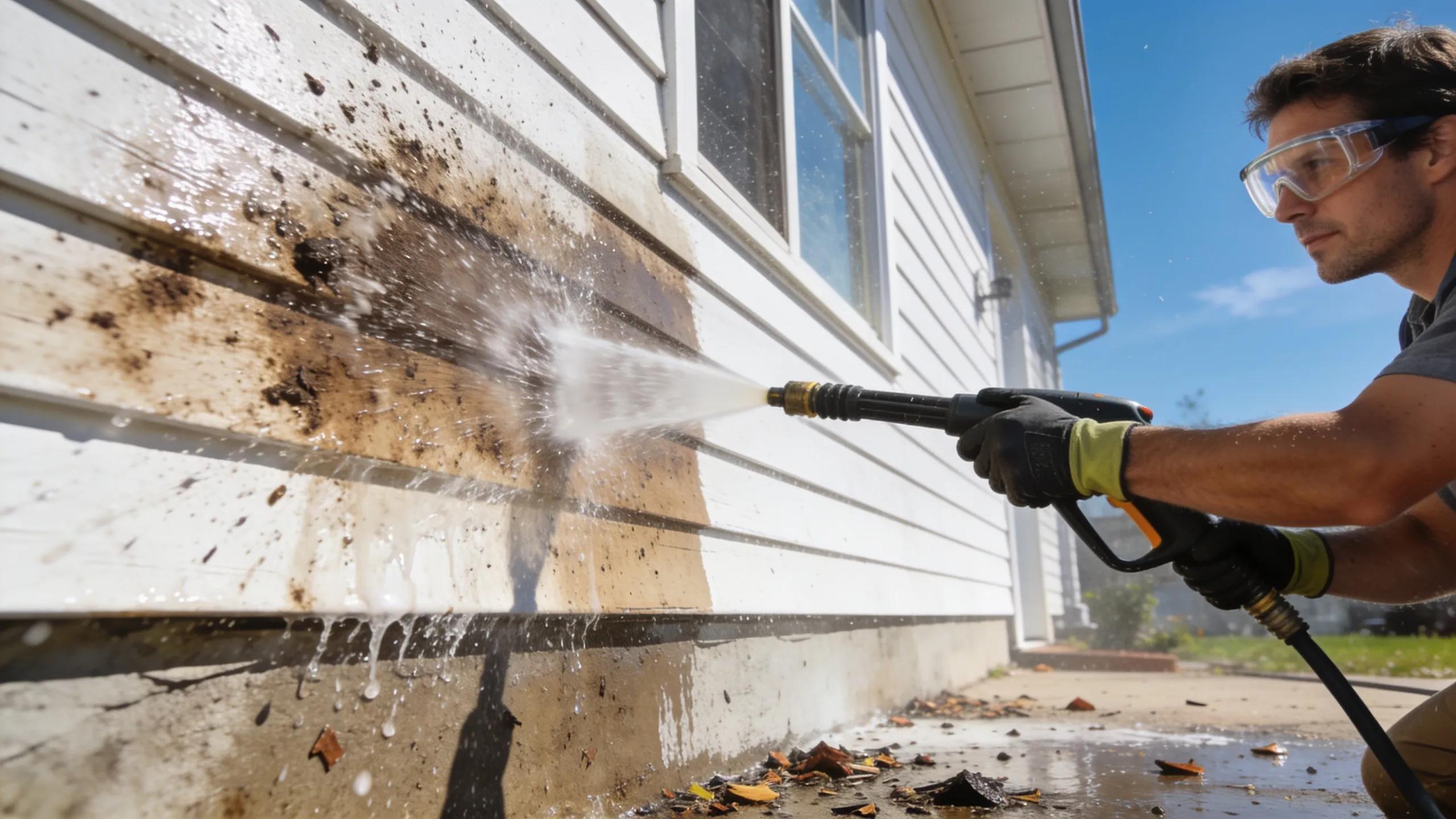
Your shingles rely on tiny mineral granules to block UV rays, reduce heat, and waterproof your roof. High-pressure spray knocks these granules loose, leaving shingles weaker, thinner, and unable to do their job.
Cracking and Lifting Shingles
Intense water force can crack shingles or lift the edges enough to break their seal. Once that seal is compromised, moisture can slip underneath and start causing hidden damage.
Forcing Water Under the Roof
When water shoots upward with force, it can push under the shingles, soak the underlayment, and travel into your attic or walls. Leaks from pressure washing often appear weeks or months later, long after the cleaning is done.
Accelerating Roof Aging
Losing granules, loosening nails, and weakening shingle layers all shorten your roof’s lifespan. What starts as a cleaning mistake can turn into early replacement.
Possibly Voiding Your Warranty
Many roofing manufacturers warn against pressure washing. Ignoring these guidelines can void your warranty even if the damage shows up years later.
Many homeowners choose Burrini’s Power Washing because we understand roofs inside and out. Our team cleans roofs the right way using safe, approved methods that protect your home instead of putting it at risk. If you want a clean roof without dangerous shortcuts, Burrini is the team you can trust.
How Pressure Washing Actually Damages Shingles
It is easy to assume that water can’t hurt your roof. After all, it sits out in the rain every year without falling apart.
But the way water falls from the sky is nothing like the force that comes from a pressure washer. Once you understand the difference, you start to see why pressure washing and shingles simply don’t mix.
Let’s break down what really happens when high-pressure water hits a roof.
Shingles Lose Granules Instantly
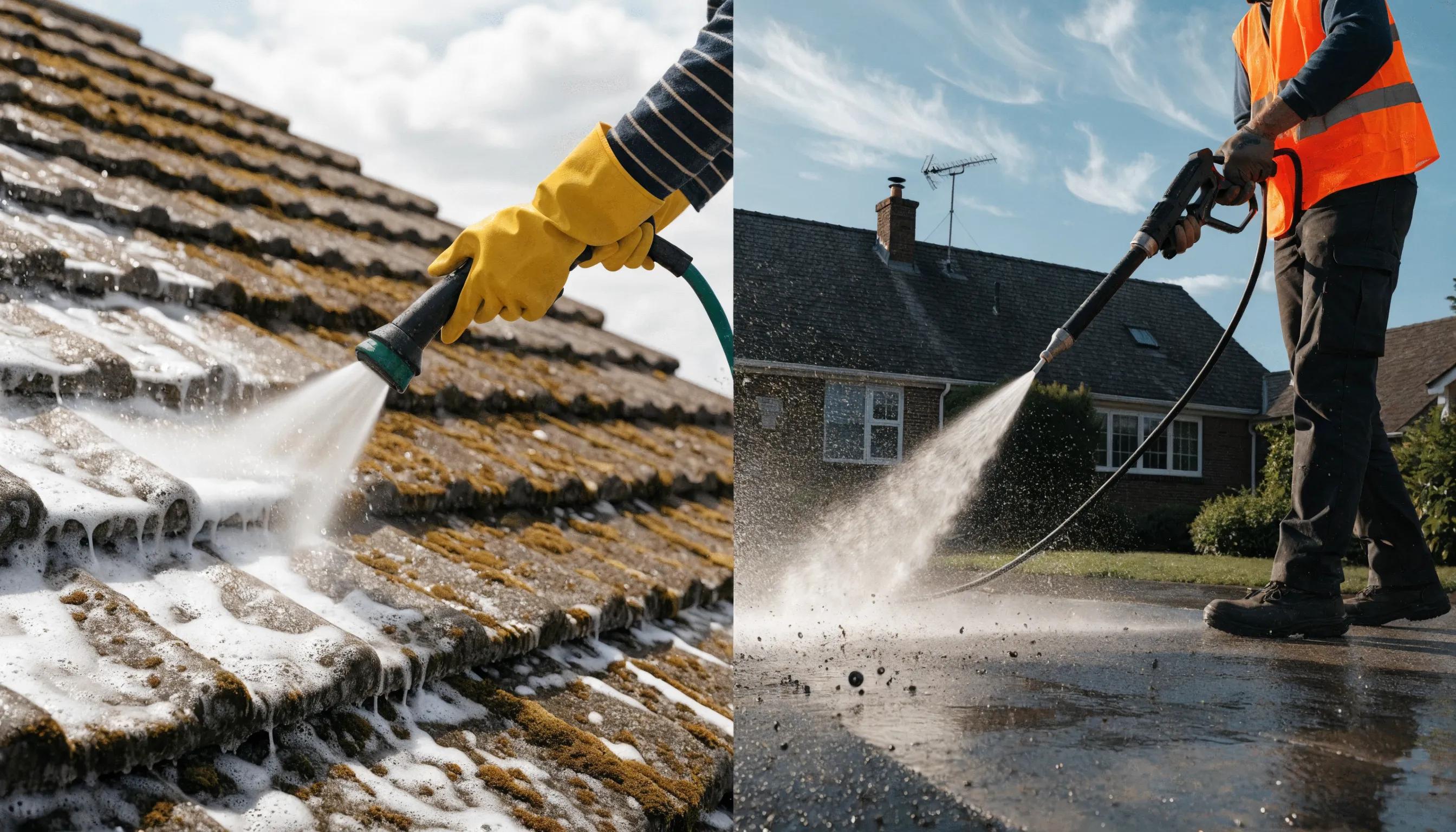
Natural rain falls downward with soft, even pressure. A pressure washer shoots water horizontally at concentrated force. That sharp impact knocks off the protective granules shingles rely on to shield your home from heat and UV damage.
Edges Lift and Break Their Seal
Shingles are designed to overlap and seal tightly. High-pressure water slides underneath those edges, lifting them just enough to weaken the bond. Once a seal is broken, moisture can get in during the next rain.
Water Gets Driven Into the Roof Structure
This is the damage most homeowners never see coming. The force of the spray pushes water beneath the shingles and into the wood decking. From there it can travel into insulation, ceilings, and walls, showing up later as leaks or mold.
Hidden Weakness Develops Over Time
Even if the roof looks clean afterward, the internal damage may already be happening. Nails loosen, shingles warp, and the entire system becomes more fragile. By the time the problem becomes visible, repairs can be expensive.
This is why professional roof cleaning takes more than the right tool. It requires experience, the right pressure levels, and techniques designed to protect your roof’s structure. That’s exactly why so many homeowners trust Burrini’s Power Washing.
Our team understands how roofs work and uses safe cleaning methods that keep your home protected long after the job is done.
What the Experts Say About Cleaning Roof Shingles
When homeowners ask how to clean a roof safely, the most reliable answers always come from roofing manufacturers, industry associations, and professionals who work with shingles every day.
These experts spend years studying how roofs age, how shingles respond to the elements, and what cleaning methods actually protect your home rather than damage it.
Roofing Manufacturers Strongly Advise Against High Pressure
Shingle manufacturers design their products to handle weather, not concentrated force.
Many include warnings that pressure washing strips away protective granules and can void the warranty. Once the granules are gone, the shingle loses its ability to resist heat and UV damage.
Industry Guidelines Recommend Soft Washing Instead
Organizations focused on building safety and roofing performance consistently highlight soft washing as the preferred method for cleaning shingles.
Soft washing uses low pressure combined with roof-safe cleaning solutions to lift algae, moss, and stains without disturbing the protective layers of the shingles.
Roofing Professionals See the Damage Firsthand
Ask any experienced roofer and they’ll tell you the same thing. A high number of shingle failures, leaks, and premature roof replacements can be traced back to improper cleaning methods.
The damage isn’t always obvious at first. Sometimes it shows up months later when moisture finally breaks through the weakened areas.
This is where our experience makes a difference. At Burrini’s Power Washing, we clean roofs using soft washing because it is the safest and most effective method for preserving shingle life.
Safer Alternatives to Pressure Washing Roof Shingles
Every homeowner deserves a clean roof, but not at the cost of damaging shingles or shortening the roof’s lifespan. The good news is that you don’t need high pressure to make a roof look new again.
There are safer, smarter techniques designed specifically for delicate roofing materials. These methods clean deeply, protect the structure, and keep your home looking great without putting anything at risk.
Here are the alternatives we trust and use for our clients across Morris County.
Soft Washing: The Safest Method for Roof Cleaning
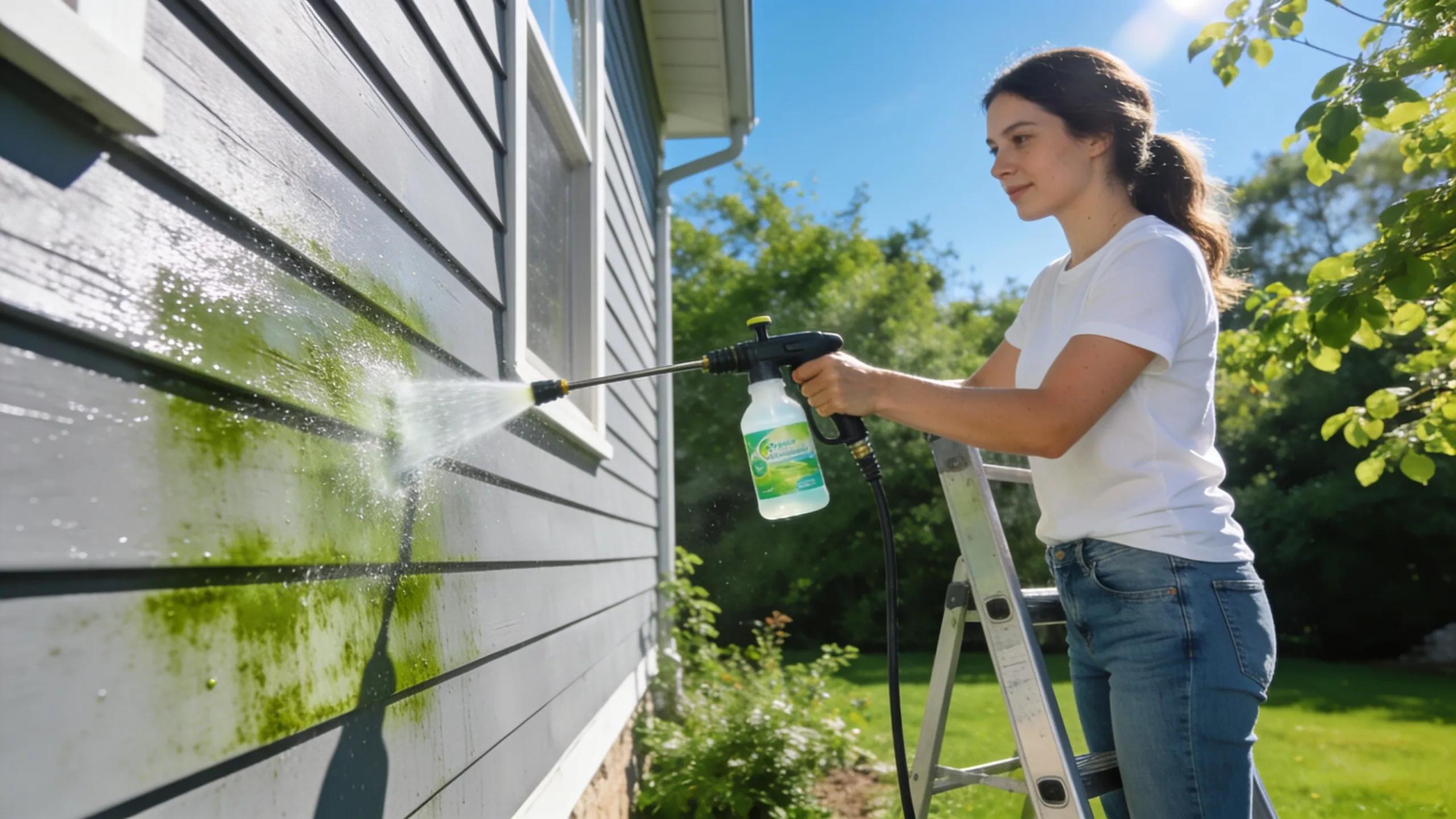
Soft washing is the industry’s preferred approach for cleaning shingles. It uses low-pressure equipment paired with specialized solutions to remove algae, stains, and organic growth.
The best part is that it does all this without disturbing the granules or lifting the shingles.
Soft washing is ideal for:
Black streaks from algae
Green moss patches
Heavy staining
Mold and mildew buildup
This is the method we use at Burrini’s Power Washing because it cleans the roof safely and preserves the life of your shingles.
Gentle Brushing for Stubborn Spots
Sometimes certain areas need a more detailed touch. Gentle brushing is used to lift moss or debris on small sections of the roof. It is always done lightly to avoid disturbing the shingle surface.
Roof Treatment Solutions
Roof-safe treatments prevent regrowth by targeting the root of the problem. Once applied, they continue working over time, which helps keep the roof clean longer without repeated pressure or harsh scrubbing.
Professional Roof Cleaning
Experienced technicians understand how different roofing materials react to weather, age, moisture, and cleaning solutions. This is why professional roof cleaning often works hand in hand with professional roofing services.
When trained specialists understand both the cleaning process and the structure of the roof itself, homeowners get the safest, most effective results possible.
Homeowners trust Burrini’s Power Washing because we use only roof-approved methods designed to keep your shingles strong. Soft washing isn’t just gentler. It is smarter, safer, and proven to make your roof last longer.
When You Might Safely Use Low Pressure
Some homeowners believe lowering the pressure makes roof washing safer. In reality, low pressure can work only in very specific situations and always with professional guidance. Here is when it may be considered:
When low pressure can be safe:
Used at a proper distance: Keeping the spray far enough away prevents granule loss and shingle lifting.
Applied at the right angle: Professionals avoid angles that force water under the shingles.
Paired with soft washing solutions: Water alone cannot kill algae or moss. Cleaning solutions do the real work.
On newer roofs in good condition: Strong, newer shingles can sometimes tolerate low pressure better than older ones.
Only under expert supervision: Trained technicians know when low pressure is safe and when it carries risk.
Homeowners rely on Burrini’s Power Washing because our team chooses the safest method for your roof every time. Whether soft washing or minimal-pressure techniques are needed, we protect your shingles while delivering the clean results you want.
Signs Your Roof Needs Cleaning vs Signs It Needs Replacement
Not every dirty roof is a damaged roof. Sometimes a simple cleaning brings it back to life, while other times the roof is showing signs that it is nearing the end of its lifespan.
Knowing the difference helps you make the right decision and avoid unnecessary repairs.
Signs Your Roof Needs Cleaning
Black streaks or algae growth: These stains usually sit on the surface and can be removed with soft washing.
Moss patches forming on shaded areas: Moss can lift shingles if ignored, but early stages respond well to gentle cleaning.
Dirt buildup after storms or seasonal changes: Leaves, debris, and pollen often create a dirty look that is easy to clean.
Minor discoloration on newer shingles: This is normal and often resolves with roof-safe cleaning solutions.
Signs Your Roof May Need Replacement
Shingles curling, cracking, or breaking: Physical damage like this indicates aging and cannot be fixed with cleaning.
Granule loss revealing bare asphalt: Bald spots weaken the shingle’s UV protection and signal deterioration.
Frequent leaks or moisture spots inside the home: Water intrusion usually means deeper structural issues.
Sagging roof sections: A sagging appearance is a major warning sign that requires immediate professional attention.
Shingles missing after storms: Missing pieces indicate the roof’s integrity is compromised.
Homeowners trust Burrini’s Power Washing to assess the situation and guide them in the right direction. When we notice signs of deeper issues, we help you understand the next steps to protect your home.
If you’re unsure whether your roof needs a cleaning or a deeper inspection, reach out to our team and we’ll take a look for you.
Give Your Roof the Care It Deserves
Your roof does more than shield your home. It protects your comfort, your investment, and your peace of mind every single day. That is why choosing the right cleaning method matters so much.
While pressure washing may seem fast and convenient, it puts your shingles at risk in ways most homeowners never see until the damage is done.
Soft washing, expert evaluation, and careful cleaning techniques are what truly keep a roof healthy for the long run. This is where Burrini’s Power Washing stands out.
Our team understands how to clean your roof without weakening the very materials designed to protect your home. We focus on safe, gentle, and proven methods that remove stains while preserving the life of your shingles.
If you want a clean roof that stays strong for years, contact Burrini Power Washing. We are here to help you protect your home with the highest level of care and expertise.
Comments