


.png)
Roof Moss Killers That Work (and How to Apply Them Safely)
Updated: Jan 11

In the unforgiving weather conditions of New Jersey, your roof becomes a battleground for dirt, debris, moss, and algae. These growths thrive in the region’s humid climate, trapping moisture that leads to rot, warping, and shingle deterioration. According to experts, moss on a roof is damaging because it traps moisture against asphalt shingles, causes them to lose protective granules, and weakens the bond that keeps shingles secured in high winds.
Homeowners across New Jersey often underestimate how fast roof moss can spread and how damaging it can be. That’s why choosing a safe, proven roof moss killer and applying it correctly is essential to protect your home’s structure and curb appeal.
This guide walks you through everything you need to know about roof moss, why it grows, how it damages your home, the best ways to remove and prevent it, and when to call in a professional. Use the Table of Contents below to quickly jump to the tips and solutions that matter most to you.
Table of Contents
The Hidden Cost of Ignoring Roof Moss • Roof Repair Costs: Minor Fixes vs. Major Restorations
The Most Effective Roof Moss Killers • Manual Removal (Best for Light Growth) • Chemical Moss Killers (Best for Heavy Growth) • Natural DIY Solutions (Best for Maintenance) • Preventive Treatments (Stops Regrowth)
Step-by-Step: How to Apply Roof Moss Killer Safely • Step 1: Preparation • Step 2: Apply the Treatment • Step 3: Rinse or Let It Sit • Step 4: Post-Treatment Clean-Up
Why Moss Loves Your Roof
Moss thrives where shade and moisture meet, especially on the north-facing sides of roofs or under dense tree cover. In New Jersey’s mixed climate, where spring rains and long winters keep surfaces damp, these conditions give moss spores exactly what they need to grow and spread.
What starts as a thin green layer can quickly become a thick mat that traps water and organic debris. That trapped moisture prevents your roof from drying properly, which can loosen shingles, cause wood rot, and eventually lead to leaks in your attic or ceilings. Over time, moss behaves like a sponge. It absorbs rainwater and holds it directly against your roof’s surface.
According to Eco Gardener, roofs with untreated moss may fail up to 10 years sooner than clean, well-maintained roofs. That’s because moss not only traps moisture, but it also pries apart asphalt shingles as it grows. It breaks the seal that holds them together and exposes your roof to UV rays and wind damage.
The Hidden Cost of Ignoring Roof Moss
Ignoring roof moss might seem harmless, but the real damage happens beneath the surface. Moss lifts shingles just enough for rainwater to seep in, leading to wood rot, mold, and insulation problems that can cost thousands to fix.
It also creates safety risks. Wet moss makes roofs slippery, and in some New Jersey neighborhoods, visible buildup can raise concerns during home inspections or even affect insurance coverage because it signals poor maintenance.
To put things in perspective, here’s how small roof problems compare to larger, moss-related damage over time:
Roof Repair Costs: Minor Fixes vs. Major Restorations
Type of Work | Average Cost | Completion Time | What’s Actually Done |
Small Repairs | $150–$600 | A few hours | Replace a few shingles, patch minor leaks, and reseal flashing. |
Moderate Repairs | $800–$2,000 | 1–2 days | Fix small decking sections, repair underlayment, and reseal vents. |
Major Restoration | $5,000–$15,000+ | Several days | Full tear-off, replace damaged decking, and re-shingle the entire roof. |
The Most Effective Roof Moss Killers
The best roof moss killer depends on how much moss you have and what type of roof you’re working with. Below are the most effective methods for removing and preventing moss safely.
Manual Removal (Best for Light Growth)
Start by brushing away loose moss with a soft-bristle broom or brush to remove moss from roof surfaces safely. Always work from the top down so you don’t lift shingles.
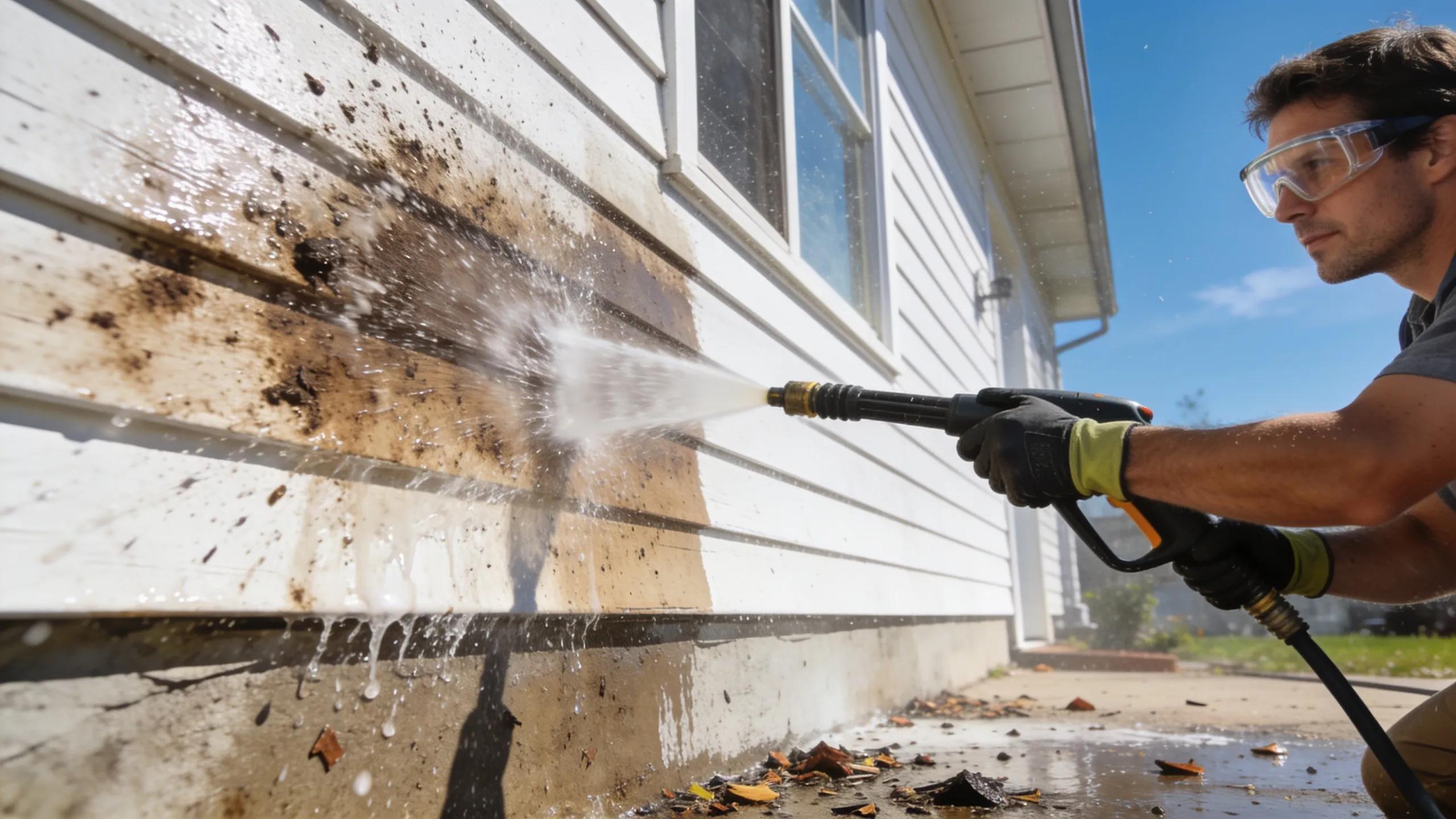
Never use a pressure washer; it can strip protective granules and damage your roof. Manual removal helps expose hidden moss and prepares the surface for treatment. For roofs that need a more thorough cleaning, Burrini Power Washing offers professional roof cleaning services that help remove buildup without harming shingles.
Chemical Moss Killers (Best for Heavy Growth)
For thick or stubborn moss, use the best moss killer for roofs made specifically for roofing materials. Common active ingredients include zinc sulfate, potassium salts, and sodium hypochlorite.
Zinc sulfate: Fast-acting and helps prevent regrowth.
Potassium salts of fatty acids: Biodegradable and safer for plants.
Sodium hypochlorite (bleach): Powerful but must be diluted properly.
Apply with a garden sprayer following the manufacturer’s instructions. Cover nearby plants and rinse thoroughly afterward. Over-application only increases the risk of roof or plant damage.
Pro Tip: Professionals often use soft-wash systems that apply eco-safe solutions and rinse gently; this is the safest, most effective long-term option.
Natural DIY Solutions (Best for Maintenance)
For small areas or routine upkeep, you can make a simple natural moss killer using household items: Mix one-part white vinegar with one-part warm water and a few drops of dish soap. Spray it evenly, let it sit 20–30 minutes, and rinse gently.
Natural remedies are slower than chemical treatments but safer for gardens and pets. They work best as part of regular roof maintenance, not as a one-time cure.
Preventive Treatments (Stops Regrowth)
After cleaning, prevention is key. Install zinc or copper strips just below the ridge cap. When it rains, metal ions wash down the roof and stop new moss spores from attaching.
You can also choose algae- and moss-resistant shingles with copper granules if you’re replacing your roof. Pair that with trimming overhanging branches and cleaning gutters regularly to keep the roof dry and sunlit.
How to Choose the Right Roof Moss Killer

Picking the right product depends on your roof material, local climate, and how much DIY work you’re comfortable with. Messinas suggests understanding the product’s composition and surface suitability before application.
Roof Type | Recommended Moss Killer | Notes |
Asphalt Shingle | Zinc-based or soap-based spray | Safe and effective for most homes |
Metal / Tile | Zinc treatments or diluted bleach solutions | Follow dilution instructions carefully |
Wood Shake | Mild soap or vinegar-based treatments | Avoid harsh chemicals that dry out wood |
Also keep these factors in mind:
Safety: Use low-toxicity products if you have gardens or pets nearby.
Environmental impact: Prevent runoff into storm drains, streams, or landscaping.
Severity of growth: If moss is heavy or widespread, you’ll likely need both mechanical brushing and a treatment.
If your roof is steep, very high, or heavily covered in moss, hiring a professional is the smartest and safest choice.
Step-by-Step: How to Apply Roof Moss Killer Safely

Here’s how to tackle the job like a pro.
Step 1: Preparation
Pick a dry, mild day with no rain forecast for at least 24 hours to ensure the safest way to clean moss without slipping. Clear out leaves and debris from your roof and gutters.
Cover any nearby shrubs or flowers with plastic sheeting to prevent overspray. Always wear gloves, goggles, and non-slip shoes for safety.
Step 2: Apply the Treatment
Mix your chosen roof moss killer following the label directions. Using a garden pump sprayer, apply the solution from the ridge downward to ensure even coverage. Focus on shaded, damp areas where moss is thickest.
According to research from Oregon State University, a treatment made from just 3 pounds of zinc sulfate mixed with 9 gallons of water can effectively cover 600 to 1,000 square feet of roof. This ratio offers reliable results without harming shingles or nearby plants when used correctly.
Let the solution dwell for the time specified, usually between 15 minutes and one hour. During this period, the moss will start to weaken and change color.
Step 3: Rinse or Let It Sit
Some products are designed to be left on, which allows rain to naturally wash the dead moss away. Others need a light rinse with a garden hose. Avoid power washing unless absolutely necessary.
You’ll see the moss dry out and flake off gradually over the following weeks.
Step 4: Post-Treatment Clean-Up
Once dry, sweep away any loose debris and recheck gutters to prevent clogs. Dispose of the material safely and note your treatment date for reference.
Long-Term Roof Maintenance Tips
Even the best moss killer can’t prevent future growth without ongoing care. To keep your roof moss-free:
Inspect twice a year: Early spring and fall are ideal times.
Trim overhanging branches: Sunlight helps keep your roof dry.
Clean gutters regularly: Prevents standing water that encourages moss.
Maintain ventilation: Proper airflow keeps your attic and roof surface dry.
Reapply treatments: Once every 18–24 months is typically enough for most New Jersey homes.
Routine gutter cleaning services can also help prevent excess moisture from collecting along the roofline, which reduces the chance of moss returning. These small steps extend your roof’s lifespan and protect your home’s value.
When Should You Hire Professionals to Remove Moss?
Many homeowners choose to pair moss treatment with periodic roof cleaning services to maintain a clean, dry surface over time. DIY methods work for small moss patches, but widespread or recurring moss needs professional care. Experts have the right tools, safety gear, and eco-friendly solutions to remove moss completely, without damaging your roof or risking your safety.
At Burrini's Power Washing, we help New Jersey homeowners protect their biggest investment, their home. Our team uses safe, effective cleaning methods and plant-friendly solutions to restore your roof and prevent moss from returning.
Keeping your roof clean isn’t just about looks; it’s about avoiding costly repairs and extending its lifespan. Whether you prefer DIY maintenance or want professional help, our experts make roof care simple, safe, and reliable.
Roof Moss Killer FAQs
What’s the best way to kill roof moss?
The most effective method is using a roof-safe moss killer made with zinc sulfate or potassium salts. These products kill moss at the roots without harming your shingles. For large or stubborn growth, professional-grade treatments work best.
Can I remove roof moss myself?
Yes, if the moss is light and your roof is easy to reach. Use a soft brush and a gentle moss-killing solution. But if the moss is thick or your roof is steep, it’s safer and more effective to hire a professional.
When should I inspect my roof for moss?
Do a roof check twice a year, ideally in spring and fall. Catching moss early keeps it from spreading and saves you from costly repairs later.
What happens if I ignore moss on my roof?
Moss traps moisture, which weakens shingles and leads to leaks, wood rot, and mold. Over time, it can shorten your roof’s lifespan and cause extensive damage.
Are there eco-friendly roof moss killers?
Yes. Many moss removers use biodegradable ingredients like potassium salts or soap-based formulas. These are safe for plants and pets when applied properly and still deliver strong results.


Comments