.png)


When to Power Wash a Home in New Jersey?
Updated: Jan 15
The best time to power wash a home in New Jersey is during spring and fall, when temperatures are mild and outdoor surfaces can dry properly.
These seasons allow you to remove winter salt, spring pollen, summer mold, and fall debris without risking damage from freezing temperatures or extreme heat.
Knowing when to schedule power washing is not just about curb appeal. Proper timing helps protect siding, decks, and walkways, extends the life of exterior finishes, and prevents moisture-related issues.
In this guide, we’ll explain the best seasons to power wash your home in New Jersey, when to avoid it, and how often professional cleaning is recommended for long-term protection.
When Is the Best Time to Power Wash a Home in New Jersey?
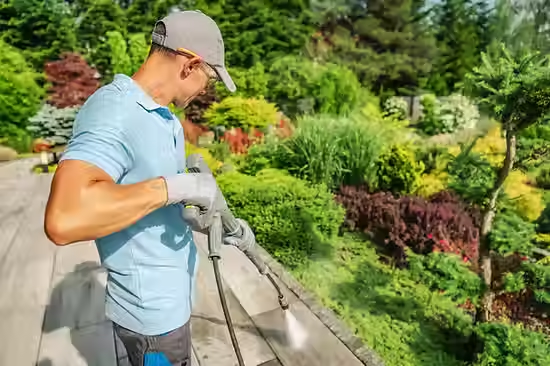
The best time to power wash a home in New Jersey is during spring and fall.
These seasons offer mild temperatures, lower risk of surface damage, and better cleaning results.
Many homeowners choose professional power washing services to make sure the job is done safely, especially when dealing with seasonal buildup like mold, algae, and pollen.
Spring power washing removes:
Winter salt buildup
Road grime
Early mold and algae
Heavy pollen
Fall power washing helps clear:
Summer mold and mildew
Leaf stains
Dirt buildup before winter
Both seasons allow surfaces to dry properly, which is important for siding, decks, and concrete.
When done correctly, power wash siding is safe for most homes. The key is using the right pressure, proper cleaning solutions, and safe angles to avoid forcing water behind panels or damaging finishes.
Professional equipment and experience help ensure siding is cleaned thoroughly without risk.

Best Months to Power Wash in New Jersey
Most New Jersey homeowners see the best results during these months:
April to June: Ideal for spring cleaning and pollen removal
September to October: Great for clearing summer buildup before cold weather
These months avoid freezing temperatures and extreme summer heat, making them the safest and most effective times for exterior cleaning.
Avoid scheduling power washing during:
Freezing winter conditions
Extremely hot summer days
Seasonal Weather Considerations in New Jersey
New Jersey weather plays a big role in when power washing works best.
Winter: Too cold — water can freeze and damage surfaces
Spring: Excellent — removes salt, pollen, and grime
Summer: Possible, but humidity can cause mold to return quickly
Fall: Excellent — clears buildup before winter
Spring and fall offer the best balance of temperature, moisture control, and drying time.
Ideal Temperature for Power Washing a Home
Temperature matters more than most homeowners think.
The ideal outdoor temperature to power wash a home in New Jersey is:
Above 40°F
Below 85°F
Below 40°F:
Water may freeze
Surfaces can crack or peel
Above 85°F:
Cleaning solutions dry too fast
Streaking and uneven results are more likely
Mild temperatures help ensure safe, even cleaning.
Mold, Algae, and Pollen Timing in NJ
Different seasons bring different problems:
Spring: Heavy pollen buildup on siding and decks
Summer: Warm, humid air causes mold and algae growth
Fall: Organic stains from leaves and debris
That’s why many homeowners choose:
Spring power washing to remove pollen and winter grime
Fall power washing to eliminate mold and prepare for winter
Roofs are especially sensitive to New Jersey’s humid weather, which is why homeowners often ask how to clean roof shingles safely.
Using the wrong pressure or timing can strip protective granules and shorten the roof’s lifespan. Soft washing methods and proper seasonal timing are essential for effective roof cleaning without damage.
How Often Should You Power Wash Your Home in New Jersey?
This is one of the most common questions we get. The answer? It depends.
For most New Jersey homes, once a year is enough to keep your property in great shape. But certain conditions may require more frequent cleaning:
Homes near the coast (salt in the air).
Properties surrounded by trees (leaf debris and shade = moss growth).
Siding in consistently shaded areas (prone to mildew).
If your home falls into one of these categories, we recommend washing twice per year which typically in spring and fall.
Will Power Washing Harm My Home?
This is where DIY can go wrong.
On one end of the spectrum, using a garden hose won’t give you the deep clean you need.
On the other end, renting a pressure washer without training can be dangerous.
Many homeowners are unsure about the difference of pressure washing and power washing, and that confusion often leads to damage.
Pressure washing relies only on high water force, while power washing uses heated water to break down tough buildup like grease, mold, and algae.
Knowing which method to use and when is key to protecting your home’s exterior.
Too much pressure can:
Damage siding.
Etch concrete or brick.
Splinter wood decks.
Break window seals.
Plus, if you have a two-story home, there’s the added risk of working from ladders.
That’s why hiring professionals like Burrini’s Power Washing matters. We adjust water pressure and nozzles for each surface—vinyl, brick, stucco, wood, or concrete. So your home gets a safe and effective clean.
When NOT to Power Wash a Home in New Jersey
There are times when power washing your home in New Jersey can do more harm than good.
You should not power wash when:
Temperatures are below 40°F: Water can freeze on surfaces and cause cracks, peeling paint, or damage to siding.
During winter months (December through February): Frozen ground, icy conditions, and cold air make power washing unsafe and ineffective.
On extremely hot summer days: Cleaning solutions dry too fast, which can leave streaks and reduce cleaning power.
During heavy rain or strong winds: Water control becomes difficult and results are uneven.
Avoiding these conditions helps protect your home and ensures better results when you do schedule cleaning.
Best Time to Power Wash a Home in New Jersey (Season-by-Season Summary)
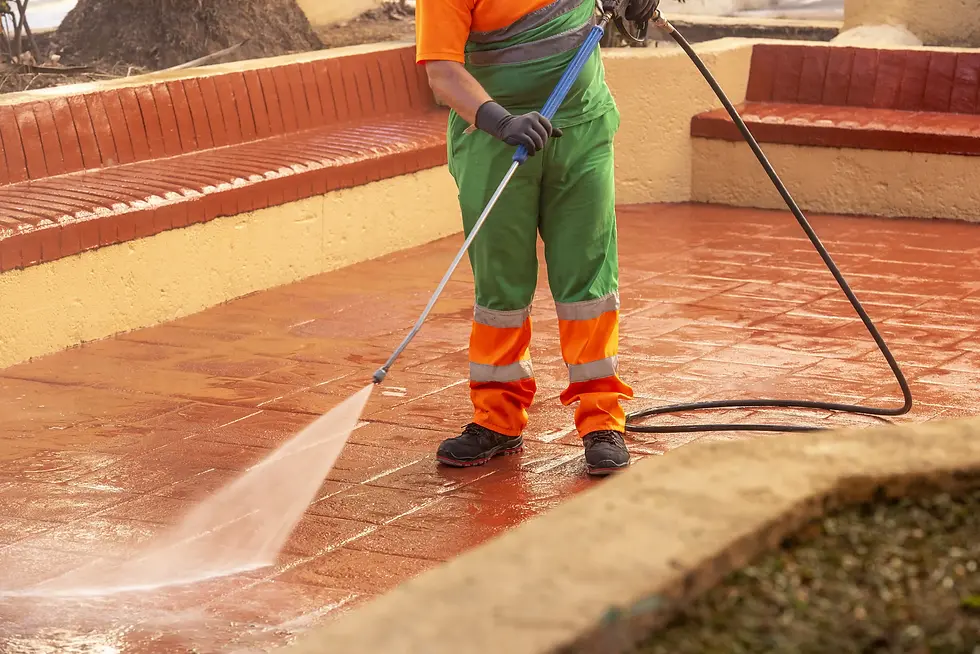
Here is a simple seasonal breakdown to help you decide:
Spring (March to May)
Spring is one of the best times to power wash. It removes winter salt, road grime, and heavy pollen buildup. Mild temperatures allow surfaces to dry properly and prevent damage.
Summer (June to August)
Summer power washing is possible, but timing matters. High humidity can cause mold and algae to return quickly. Early morning or cooler days work best.
Fall (September to November)
Fall is another ideal season. It clears summer mold, mildew, and leaf stains while preparing your home for winter weather.
Winter (December to February)
Winter is the worst time to power wash in New Jersey. Cold temperatures increase the risk of freezing, surface damage, and safety issues.
Schedule Power Washing at the Right Time
Knowing when to power wash a home in New Jersey makes a real difference in how long your exterior stays clean and protected.
Timing your cleaning around the right seasons helps prevent damage, improves results, and keeps mold, algae, and buildup from coming back too quickly.
At Burrini's Power Washing, we help New Jersey homeowners choose the right time, method, and pressure for safe, effective exterior cleaning.
Our team understands local weather conditions and uses professional techniques designed to protect siding, decks, concrete, and other surfaces.
If your home is showing signs of buildup or you’re not sure when to schedule service, we’re here to help. Get a free quote today and let our experienced team keep your home looking clean, fresh, and well-maintained year-round.
Frequently Asked Question
Can I power wash in winter in New Jersey?
Power washing in winter is not recommended in New Jersey. Freezing temperatures can cause water to turn into ice, which may damage siding, concrete, and other exterior surfaces.
What surfaces can be power washed?
Most exterior surfaces can be power washed, including siding, driveways, decks, patios, fences, and walkways. The right pressure and cleaning method are used to avoid surface damage.
How long does it take to power wash a home?
Most homes can be power washed in half a day or less, depending on size and buildup. Heavily soiled surfaces or large properties may take longer.
Do I need to prep before power washing?
Basic prep is recommended, such as closing windows and removing outdoor furniture or decorations. This helps ensure safe, efficient cleaning and better results.


Comments