.png)


Professional Pressure Washing That Improves Curb Appeal
Updated: Jan 14

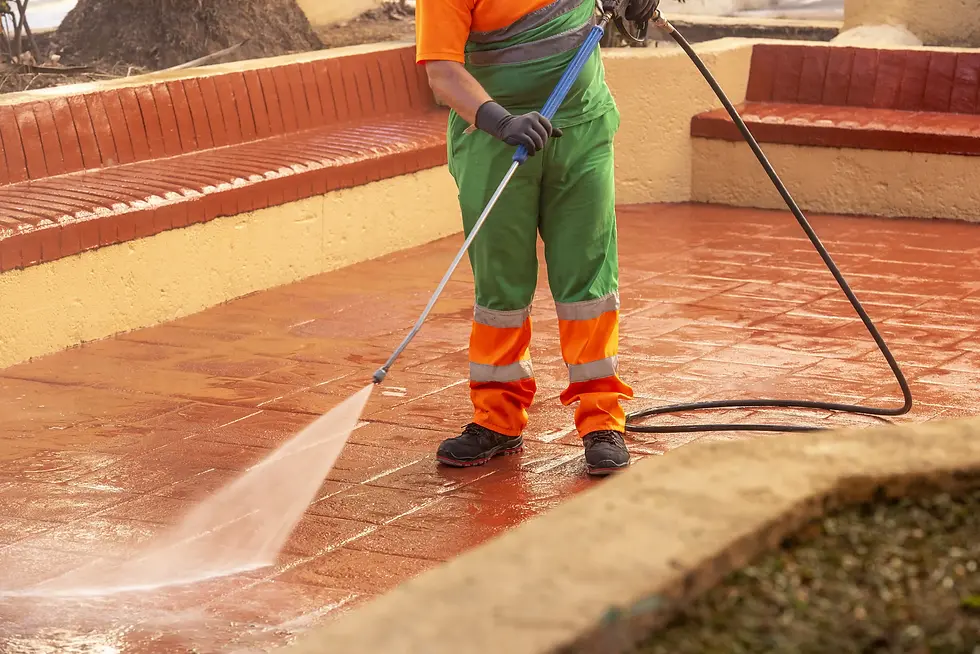
Professional pressure washing restores your property’s beauty by safely removing dirt, mold, algae, and stains from exterior surfaces.
Over time, these contaminants build up on siding, driveways, roofs, and patios, making properties look dull and worn.
Professional pressure washing solves this problem by using the correct pressure levels and cleaning solutions for each surface, delivering a deep clean without causing damage.
In New Jersey, changing seasons, humidity, pollen, and winter road salt accelerate exterior buildup. Professional pressure washing helps protect surfaces, improve curb appeal, and extend the life of exterior materials.
Unlike DIY methods, professional cleaning focuses on both appearance and long-term surface care.
This guide explains how professional pressure washing works in New Jersey and what property owners should expect before hiring a service.
What Is Professional Pressure Washing?
Professional pressure washing is a cleaning method that uses controlled water pressure and surface-safe detergents to remove dirt, algae, mold, mildew, and stains from exterior surfaces.
It is designed to clean thoroughly without damaging the material underneath.
Unlike basic pressure washing, professional service adjusts the water pressure based on the surface being cleaned.
For example, concrete can handle higher pressure, while siding, roofing, and wood require lower pressure or soft washing to avoid damage.
In New Jersey, exterior surfaces are exposed to moisture, pollen, shade, and temperature changes throughout the year.
Based on on-site inspections of New Jersey properties, exterior buildup is often heavier on shaded areas, north-facing siding, and surfaces exposed to moisture for long periods.
These conditions require surface-specific pressure and cleaning methods to avoid damage and achieve lasting results.
Pressure Washing vs Soft Washing
Pressure washing and soft washing are different methods used for different surfaces.
Pressure washing uses higher water pressure to remove dirt and stains from hard surfaces like concrete, brick, and stone. It works best for driveways, sidewalks, and patios.
Soft washing uses low pressure combined with cleaning solutions to remove mold, algae, and mildew. It is safer for delicate surfaces such as roofs, vinyl siding, and painted wood.
In simple terms: Pressure washing is best for hard surfaces. Soft washing is best for delicate surfaces.
Many property owners also ask about the difference between pressure washing and power washing.
While both methods use pressurized water, power washing adds heat, which can help remove grease and heavy stains on certain hard surfaces.
DIY Pressure Washing vs Professional Service
Many property owners consider doing pressure washing themselves, but there are important differences between DIY and professional service.
DIY pressure washing may seem cheaper at first, but using the wrong pressure or technique can damage siding, wood, concrete, or roofing. It can also be unsafe without proper experience.
Professional pressure washing uses trained methods, proper equipment, and surface-specific pressure settings. This allows for deeper cleaning with less risk of damage.
In simple terms: DIY cleaning carries a higher risk. Professional service delivers safer, longer-lasting results.
Why Professional Pressure Washing Is Important?
Outdoor surfaces deal with rain, humidity, shade, and dirt all year. In New Jersey, this leads to a fast buildup of mold, algae, pollen, and grime.
Professional pressure washing removes these problems before they cause damage.
Professional pressure washing helps because it:
Prevents surface damage: Mold and algae hold moisture that can lead to cracking, rot, and early wear.
Keeps your property looking clean: Clean siding, driveways, and walkways instantly improve curb appeal.
Helps surfaces last longer: Removing buildup protects paint, concrete, wood, and roofing materials.
Reduces slippery and unsafe areas: Algae on decks, patios, and sidewalks can become a safety hazard.
Saves money over time: Routine cleaning costs far less than repairs, repainting, or replacement.
In many New Jersey homes and commercial properties, mold and algae begin causing surface wear long before visible damage appears.
Addressing buildup early is one of the most effective ways to reduce long-term repair and replacement costs.
Common Pressure Washing Issues We See in New Jersey
In New Jersey, certain exterior cleaning problems show up again and again because of the local climate, weather patterns, and environmental conditions.
These issues often require more than basic DIY cleaning and are best handled with professional pressure washing or soft washing techniques.
In New Jersey, these problems tend to appear earlier in the year and return faster on shaded properties, older siding, and surfaces exposed to moisture for long periods.
From regular property inspections across New Jersey, certain exterior cleaning issues appear repeatedly due to humidity, seasonal debris, and winter conditions. Common issues we see include:
Mold, mildew, and algae growth on surfaces: High humidity, rain, and shade in New Jersey cause mold, mildew, and algae to grow on siding, decks, and walkways. This buildup holds moisture and leads to staining and surface wear.
Black streaks and algae on roofs: Roofs often develop black streaks caused by algae, especially in shaded or damp areas. These stains are common in New Jersey and can shorten shingle life if not removed properly.
Salt and residue buildup on hard surfaces: Winter snow and ice treatments leave salt residue on driveways, sidewalks, and steps. Over time, salt can cause discoloration and speed up surface damage.
Surface damage risk when pressure is too high: Vinyl siding, wood, and decking can be damaged if high pressure is used incorrectly. Soft washing is often needed to clean these surfaces safely.
Signs You Need Professional Pressure Washing
You do not have to wait until your property looks dirty to schedule cleaning. Many problems start small and get worse over time. These common signs show when professional pressure washing is needed.
Look for these warning signs:
Green or black streaks on siding or roof
Slippery spots on decks, patios, or driveways
Faded paint or discolored concrete
Buildup of dirt, pollen, or mildew near windows and trim
Curb appeal that looks dull even after rain
In New Jersey’s climate, regular professional pressure washing helps stop these issues early and keeps your property in good condition.
What Surfaces Can Be Cleaned?
Professional pressure washing can safely clean many exterior surfaces when the right pressure and method are used.
Each surface is treated differently to avoid damage while still getting a deep, lasting clean.
Common surfaces that can be cleaned include:
House siding and trim: Removes dirt, algae, and mildew from vinyl, wood, and composite siding.
Roofs and gutters: Soft washing removes black streaks, moss, and algae without harming shingles.
Driveways and walkways: Lifts oil stains, dirt, and salt buildup from concrete and pavers.
Patios and pool areas: Cleans slippery algae and grime to improve safety and appearance.
Decks and fences: Restores wood and vinyl by removing discoloration and buildup.
Brick, stone, and pavers: Remove embedded dirt while protecting joints and surface texture.
In practice, each surface responds differently to cleaning. Experienced technicians typically adjust pressure, detergents, and rinsing methods based on material type, age, and exposure to moisture or shade.
When it comes to wood and composite decks, pressure washing deck surfaces safely requires careful pressure control and proper technique.
Using too much pressure can damage wood fibers or strip finishes, which is why decks are often cleaned using lower pressure or soft washing methods.
What the Professional Pressure Washing Process Looks Like?
Professional pressure washing follows a careful step-by-step process to ensure strong results without damage.
Each step is designed to protect your property while removing tough buildup.
The process usually includes:
Property inspection: Surfaces are checked for stains, damage, and areas that need special care.
Preparation and protection: Plants, outlets, windows, and delicate areas are covered or protected.
Cleaning solution application: Surface-safe, eco-friendly cleaners break down dirt, mold, and algae.
Controlled pressure washing: Water pressure is adjusted based on the surface being cleaned.
Final rinse and review: All residue is rinsed away, leaving surfaces clean and refreshed.
This process is based on proven cleaning methods commonly used to protect exterior materials while still removing deep-set dirt and organic growth.
Refresh Your Home with Residential Pressure Washing
Homes in New Jersey deal with dirt, pollen, mold, and weather changes throughout the year.
Different areas of a home collect dirt and organic buildup in different ways, which is why residential pressure washing is often tailored by surface type and exposure.
Common residential pressure washing services include:
House Washing
Removes dirt, mildew, and stains from siding to restore a clean, bright finish.
Roof Cleaning
Safely eliminates algae, moss, and black streaks using soft-wash methods that preserve your shingles.
Driveway and Sidewalk Cleaning
Lifts oil, salt, and grime from concrete or pavers to make your property entrance look new again.
Deck and Fence Cleaning
Restores wood and vinyl by removing mildew and discoloration, keeping outdoor spaces safe and attractive.
Pressure Washing for Commercial Properties
A clean exterior helps businesses make a strong first impression. In New Jersey, dirt, traffic residue, and weather exposure can quickly make commercial properties look worn.
Commercial properties experience heavier foot traffic and environmental exposure, making regular exterior cleaning an important part of long-term maintenance.
Professional pressure washing keeps business properties clean, safe, and professional.
Common commercial pressure washing services include:
Building exterior cleaning
Sidewalk and walkway cleaning
Parking lot and concrete cleaning
Graffiti and stain removal
Routine commercial pressure washing supports safety, presentation, and long-term property maintenance.
Restore Your Property with Professional Pressure Washing
Your property should look clean, safe, and well cared for throughout the year. Dirt, mold, algae, and grime can build up fast, especially in New Jersey’s changing weather. Professional pressure washing removes these problems before they cause lasting damage.
With hands-on experience cleaning a wide range of New Jersey properties, Burrini’s Power Washing focuses on both immediate results and long-term surface protection to help properties stay clean, durable, and well maintained.
Professional pressure washing is a smart way to maintain your property’s value and keep it looking its best in every season. Get a free quote and see the difference expert exterior cleaning can make.
FAQs about Pressure Washing
How long does professional pressure washing take?
Most residential jobs are completed within two to four hours, depending on the size and condition of the surfaces.
Is pressure washing safe for painted surfaces?
Yes, when done professionally. We use the right pressure levels and cleaning agents to protect paint and finishes.
Can you pressure wash in cold weather?
Yes, but mild temperatures are ideal. Spring and fall are the best times for pressure washing in New Jersey.
Does pressure washing help prepare for painting or staining?
Absolutely. Cleaning removes dirt and old residues, allowing paint or stain to adhere better and last longer.
How do I keep my property clean between washings?
Trim back trees and shrubs, clean gutters regularly, and schedule annual maintenance to prevent buildup.
How often should professional pressure washing be done?
Most properties benefit from professional pressure washing once a year. High-traffic or shaded areas may need more frequent cleaning.


Comments